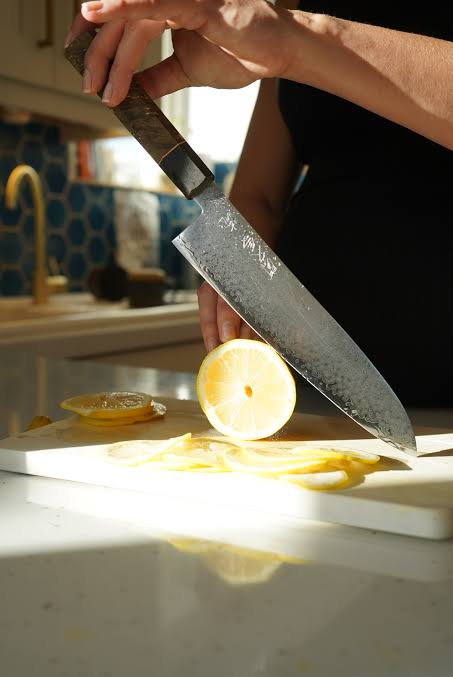

Steel has traditionally been valued for its strength, utility, and reliability. Today, however, appearance has become a crucial factor in how people evaluate the items they own. From watches and furniture to handcrafted accessories, buyers are increasingly attentive to the materials behind a product. Damascus knives align perfectly with this shift, as their surfaces combine the technical character of the metal with patterns that feel almost artistic.
Rather than presenting steel as a plain, featureless material, these knives make their construction visible. Intricate lines create a sense of movement on a surface that might otherwise appear simple. This visual quality has helped Damascus knives capture the interest of those who value design just as much as functionality.
Yet, their appeal goes beyond mere decoration. The interplay between material, manufacturing, finishing, and performance determines whether an attractive object is also a worthwhile purchase. Understanding this relationship makes the subject far more compelling than the patterns alone.
Damascus Knives: The Science Behind the Spectacular Patterns
The appearance of Damascus steel is inextricably linked to how the material is created. Many modern patterned knives utilize a technique known as pattern welding, in which distinct layers of steel are fused together through forging. Makers then manipulate the layered material to achieve the desired pattern before shaping and finishing the blade.
Different techniques yield distinct visual effects. Some patterns form broad waves, while others create tighter lines, repeating shapes, or complex geometric arrangements. The final look depends on the steel layers, the forging process, cutting and twisting methods, and surface treatments.
Thus, Damascus knives demonstrate how manufacturing decisions can become an integral part of a product’s visual identity. In a well-crafted pattern-welded knife, the pattern is far more than just a printed decoration. The pattern reflects the material’s actual composition, although some products marketed as Damascus may simply feature surface decoration instead. Buyers should verify manufacturing details if authenticity is a priority for them.
Historical Damascus steel is not identical to every modern layered steel product sold under the same name. While the term is commonly associated with patterned knives, historical production methods and modern pattern-welding techniques should not automatically be treated as the same process.
Why Contrast Gives Knives a Visually Powerful Look
Good design often relies on contrast. Light and dark surfaces create visual separation, while repeating lines can draw attention to an object. Damascus knives leverage this principle through their layered patterns.
Dramatic patterns can make a slender knife appear more dynamic, while subtler patterns create a refined look without overpowering the overall shape. Both approaches work well when the design balances the proportions of the handle and blade.
The effect is similar to how grain influences the appearance of wood. Even when two objects share similar dimensions, their surface textures can make them feel vastly different. With patterned steel, the direction and density of the lines shape the character of the finished knife.
However, visual complexity should not substitute for good design. A knife might have a striking surface finish yet suffer from uncomfortable handling, an uneven build, or poor blade geometry. The best Damascus knives combine captivating patterns with thoughtful proportions and reliable construction.
Modern Design Meets the Character of the Cowboy Knife
Traditional Western knives demonstrate how familiar designs can remain appealing across generations. Cowboy knives often feature recognizable shapes, sturdy-looking handles, leather sheaths, and styles inspired by ranch life and frontier history. Modern makers can reinterpret this aesthetic by combining classic Western proportions with patterned steel and updated handle materials. A traditional wooden handle, for instance, can create a warm contrast against the dramatic steel surface, while a more contemporary handle can lend the overall design a cleaner, modern look.
This combination is compelling because it demonstrates how old and new ideas can coexist. Western influences provide a recognizable identity, while the blade pattern introduces a distinctive visual feature.
However, a knife’s style or appearance does not determine its suitability for every task. Anyone looking to purchase a Western-style knife should consider the design’s intended use, grip comfort, construction, and maintenance requirements. Decorative elements should enhance the user experience rather than distract from practical aspects.
Do More Intricate Patterns Mean a Better Knife?
Creating intricate patterns certainly requires a high level of skill, but complexity is not a reliable benchmark for assessing blade performance. A knife with a striking surface appearance is not necessarily tougher, sharper, or more durable than one with a simpler pattern.
The choice of steel and the heat treatment process play key roles in a knife’s performance. Blade geometry affects cutting action, while the finishing stage and construction determine the quality of the final product. Each type of steel has distinct characteristics, and its suitability depends on how it is used and how it was manufactured.
This is an important point to consider, as product descriptions sometimes emphasize the number of layers over the information a buyer actually needs. While a high number of layers does influence the appearance of Damascus steel knives, it cannot serve as the sole determinant of quality.
Before purchasing, look for detailed information regarding the steel type, manufacturing method, heat treatment process (if available), blade dimensions, and intended use. Seller transparency is often more valuable than bombastic claims or stunning product photos.
The Practical Side of Beautiful Steel Surfaces
Patterned steel requires proper maintenance, just like any other blade material. Some Damascus knives utilize steel types that are more susceptible to corrosion than others. Exposure to moisture, improper storage, or a lack of maintenance can damage the knife’s surface, regardless of how beautiful the original pattern may be.
Simple care routines can help preserve the condition of the blade’s surface. Blades should be cleaned and dried after use, and the manufacturer’s care instructions should be followed. Knives made from corrosion-prone steel may require extra attention during storage.
Buyers should also consider whether the knife is intended for display or for daily use. A collector might prioritize appearance and pattern quality, whereas someone seeking a working tool might value ease of maintenance and performance suited to their needs. These preferences can influence the choice of the most suitable product.
Prices also warrant careful comparison. A higher price may reflect craftsmanship, quality materials, specialized manufacturing methods, or a superior finishing process; however, price alone does not guarantee these qualities. Clear specifications, a trustworthy seller, and a fair return policy provide a more solid basis for evaluation.
Damascus Knives as an Expression of Material Design
One reason Damascus knives continue to attract attention is that their surface connects the manufacturing process to the final appearance. The lines visible on the blade offer a glimpse of the layered materials beneath the finish, transforming craftsmanship into a tangible design element.
For those interested in industrial design, traditional tools, or handcrafted objects, this connection can offer a unique sense of satisfaction. These knives exemplify how a technical process can create beauty without compromising the material’s fundamental functionality.
Different makers may interpret this concept in widely varying ways. Some favor bold, high-contrast patterns, while others prefer subtle lines that complement an understated design. Handle materials, sheath styles, and blade proportions offer further opportunities for variation.
There is no single pattern that suits everyone. The best choice depends on whether one prefers a traditional style, a contemporary look, or a combination of both.
Where Aesthetics and Craftsmanship Converge
The most impressive objects do not require a choice between form and function. Their appearance captures the eye, while their quality delivers a satisfying experience. Damascus knives embody this relationship by blending patterned steel with the technical demands of blade construction.
A stunning surface is an appealing starting point, yet materials, heat treatment, finishing, and design must all support the product’s intended use. That is why a sound purchasing decision considers more than just the pattern alone.