
Corporate wellness programs work best when they solve problems that employees actually experience during the working week. Long periods of sitting, screen exposure, meeting overload, poor sleep, low movement levels, and mental fatigue are more relevant to most teams than athletic performance. For this reason, the strongest programs usually focus on stress management, movement, recovery, sleep, and habits that can be integrated into the workday.
Employee attention is already divided across emails, meetings, social platforms, streaming, and digital entertainment such as evolution xxxtreme lightning roulette, so wellness services should not add another complex system to follow. The most effective formats are short, accessible, and connected to specific workplace problems. They should also be easy for employers to organize and simple for employees to join without extensive preparation.
Mobility Sessions Are a Strong Foundation
Mobility is one of the most practical services for office-based teams. Employees often spend hours in the same positions, which can contribute to stiffness around the hips, shoulders, neck, and back.
A corporate mobility session can last 20 to 40 minutes and require little equipment. The focus should be on movement variety rather than exercise intensity. Employees can learn a small number of movements that can also be repeated during the workday.
This makes mobility scalable. It works as an on-site group session, an online class, or part of a hybrid program. It also avoids creating the impression that participation requires a certain fitness level.
Short Movement Breaks Fit Into the Workday
Not every corporate wellness service needs to be a full session. Ten-minute movement breaks can be easier to integrate into busy schedules.
These formats can include shoulder movement, standing mobility, light stretching, and brief walking prompts. They are particularly useful between long meeting blocks or during periods of high screen use.
The advantage is frequency. A monthly wellness workshop may provide information, but short movement breaks can change behavior several times per week.
Companies should schedule them at predictable times so employees do not need to make a new decision each day about whether to participate.
Stress-Management Sessions Address a Common Need
Workplace stress is one of the main reasons companies invest in wellness. However, stress-management programs should offer practical tools rather than vague advice.
Group sessions can include controlled breathing, short decompression routines, methods for transitioning between tasks, and techniques for reducing stimulation after work.
The goal is not to remove workplace stress completely. A wellness provider cannot control deadlines, management decisions, or workload. The service can instead help employees regulate how they respond to periods of pressure and create routines that support recovery.
These sessions can work especially well at the end of the workday or during demanding project periods.
Massage Can Work as a Targeted Corporate Benefit
Massage is popular because employees understand the service immediately, but companies need to consider logistics and capacity.
Short chair-massage sessions can work well for office events or scheduled wellness days. Longer treatments may be better offered through external wellness partners, vouchers, or membership arrangements.
Massage is most useful when it is connected to a broader program rather than treated as a one-time perk. For example, employees who report recurring neck tension may also receive mobility guidance and workstation education.
This creates more value than simply repeating the same treatment without addressing daily habits.
Sleep Education Can Improve the Program’s Reach
Sleep affects energy, concentration, recovery, and perceived workload, yet many workplace programs ignore it.
Corporate sleep support can include workshops on sleep timing, caffeine use, evening routines, shift schedules, travel, and the effect of late work on recovery. The content should remain educational rather than diagnostic.
The strongest format is usually practical. Employees benefit more from learning how to change one or two behaviors than from receiving a long explanation of sleep science.
Online materials can support these sessions with short guides or self-assessment tools.
Ergonomic Education Should Focus on Variation
Traditional ergonomic programs often emphasize finding one correct sitting posture. A better approach is to teach employees how to vary positions and reduce long periods of inactivity.
A workplace wellness provider can review desk setup, monitor height, chair position, and movement opportunities. However, the message should be that no single posture should be maintained for hours.
Employees can learn when to stand, move, change position, or take short breaks. This makes ergonomic education more behavioral and less dependent on buying equipment.
Recovery Sessions Work Well for High-Pressure Teams
Some corporate groups experience periods of intense workload, travel, deadlines, or irregular schedules. For them, recovery sessions can combine several wellness elements.
A 30-minute group session might include breathing, light mobility, guided relaxation, and a short body scan. The objective is to reduce accumulated tension without requiring participants to change clothes or exercise intensely.
These sessions can be scheduled after major project deadlines, during conferences, or as part of a recurring corporate membership.
They are also useful for mixed teams because participation does not depend on fitness experience.
Workshops Can Address Specific Workplace Problems
Educational workshops work best when each one solves a narrow problem.
Useful topics include managing energy during meeting-heavy days, creating a post-work recovery routine, reducing prolonged sitting, improving sleep before business travel, or using movement during remote work.
Broad seminars about “healthy living” often produce little behavioral change because the recommendations are too general.
A specific workshop gives employees a clear set of actions and makes it easier for the employer to measure participation and feedback.
Hybrid Programs Improve Access
Modern teams may work from offices, homes, or different cities, so corporate wellness should not depend entirely on physical attendance.
A hybrid model can combine on-site sessions with online mobility classes, recorded recovery routines, digital workshops, and scheduled check-ins.
Employees can choose formats that fit their schedule, while the company avoids excluding remote workers.
The digital component should remain simple. A library of five useful routines may generate more engagement than a platform containing hundreds of videos.
Corporate Wellness Should Be Built Around Usage
The best corporate wellness services are not necessarily those with the most features. They are the ones employees actually use.
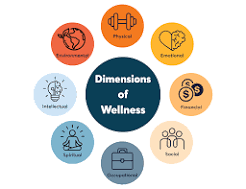
Mobility, movement breaks, stress-management sessions, massage, sleep education, ergonomic support, recovery formats, and targeted workshops all address problems that commonly appear during working life.
Companies should track participation, repeat attendance, employee feedback, and which services generate continued demand. These indicators help distinguish programs that look attractive in a benefits package from those that become part of employees’ routines.
The strongest corporate wellness strategy is therefore based on accessibility, relevance, and repetition. When employees understand the purpose of each service and can use it without disrupting the workday, wellness becomes a practical support system rather than an occasional workplace event.