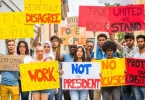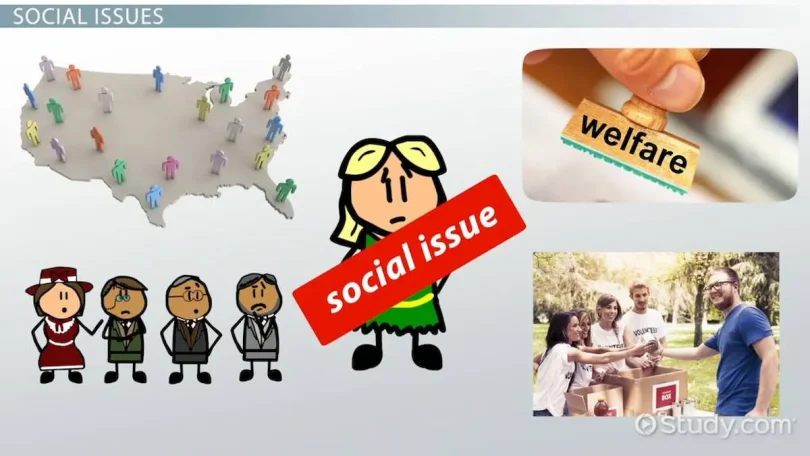

When we talk about social issues current debates, we’re referring to the ongoing discussions and controversies that shape societies around the world. These are topics that impact millions of people, influence government policies, and spark conversations across communities. From climate change to racial equality, these debates not only affect daily life but also define the kind of society we live in. Understanding them helps us make informed decisions and engage meaningfully in shaping our future.
Let’s dive deeper into the key social issues that are fueling debates today.
1. Climate Change and Environmental Responsibility
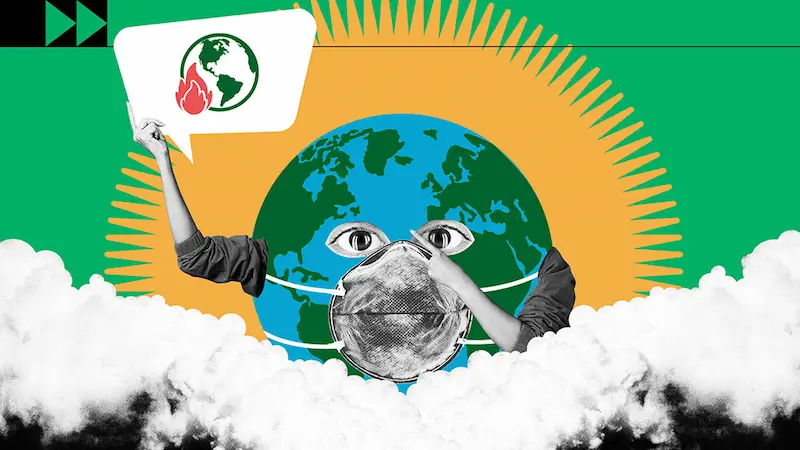
Climate change has become one of the most urgent social issues of our time. Extreme weather events, rising sea levels, and deforestation are clear signs that the planet is under threat. Current debates focus on:
- Government policies: Should governments enforce stricter environmental regulations?
- Corporate accountability: Are large corporations responsible for a significant share of environmental damage?
- Individual responsibility: How much impact do personal actions like recycling and reducing waste actually have?
For instance, debates rage over whether governments should invest in renewable energy or subsidize fossil fuels to balance economic growth and environmental protection. Climate change discussions are no longer just about science—they involve ethics, economics, and justice.
2. Income Inequality and Economic Justice
Income inequality continues to be a major point of contention globally. While some argue that economic freedom and entrepreneurship are key drivers of growth, others advocate for stronger social safety nets and wealth redistribution. Key points in this debate include:
- Minimum wage laws: Should governments raise minimum wages to ensure a living wage?
- Wealth taxes: Are taxes on the rich a fair way to reduce inequality?
- Access to education and healthcare: How do unequal opportunities perpetuate poverty across generations?
This debate touches every aspect of society—from labor rights to housing affordability—making it an ongoing and complex issue.
3. Healthcare Access and Reform
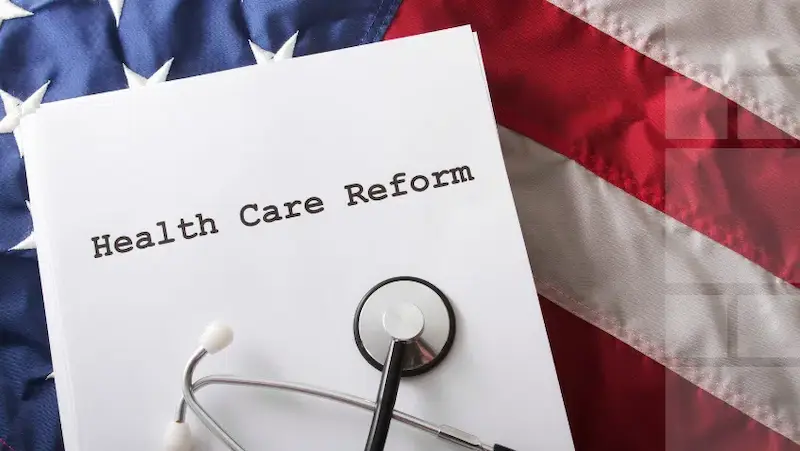
Healthcare remains a deeply divisive social issue. Around the world, people debate whether governments should provide universal healthcare or rely on private healthcare systems. Some critical questions include:
- Affordability: How can we ensure that everyone can access medical care without going into debt?
- Quality of care: Does universal healthcare compromise quality, or does privatization limit access?
- Preventive vs. reactive care: Should healthcare systems focus more on prevention to reduce long-term costs?
Healthcare debates often intersect with politics, ethics, and economics, as they affect the health and well-being of entire populations.
4. Gender Equality and LGBTQ+ Rights
Gender equality and LGBTQ+ rights are central to social discussions worldwide. These debates focus on equal opportunities, representation, and protections against discrimination. Topics often include:
- Equal pay: Should men and women receive the same pay for the same work?
- Workplace discrimination: How can organizations create truly inclusive work environments?
- Transgender rights and recognition: How can societies support gender diversity without infringing on personal freedoms?
These discussions are evolving rapidly, influenced by cultural norms, legal frameworks, and social movements that push for fairness and inclusion.
You may also like to read this:
Latest Economic Trends Update 2025: Global Insights
Economic Trends Affecting Markets | Complete 2025 Guide
Economic Trends Global Impact: Complete Guide For 2025
Economic Trends Business Growth Explained | Full Breakdown
Economic Trends Inflation Changes Explained Clearly
5. Racial Justice and Anti-Discrimination
Racial inequality and systemic discrimination remain critical social issues. Debates often revolve around:
- Law enforcement practices: How can policing become fairer and more accountable?
- Representation: How much representation in politics, media, and business is enough?
- Educational opportunities: How do we address the historical inequities that still affect minorities today?
Movements like Black Lives Matter and campaigns for indigenous rights have highlighted the urgency of addressing systemic racism globally.
6. Technology, Privacy, and Ethics
Rapid technological advancements have created new social debates around privacy, ethics, and digital rights. Key concerns include:
- Data privacy: How much control should tech companies have over our personal information?
- AI and automation: How can societies manage the economic and ethical impacts of AI replacing human labor?
- Misinformation: How can governments and platforms prevent the spread of false information without censoring free speech?
Technology can solve many problems, but it also introduces new challenges that society must address carefully.
7. Immigration and Refugee Policies
Immigration is one of the most polarizing social debates today. Countries struggle to balance humanitarian responsibilities with security concerns and economic impacts. Main issues include:
- Border security vs. human rights: How can nations protect borders while respecting refugees?
- Integration policies: How can immigrants and refugees integrate effectively into new communities?
- Economic contribution: Are immigrants an economic benefit or a burden?
These debates often spark strong political and social reactions, influencing laws and international relations.
Why These Debates Matter
Understanding social issues current debates isn’t just about staying informed—it’s about taking part in shaping the future. These discussions influence policies, societal values, and how communities interact. Participating in these debates helps promote fairness, justice, and sustainable solutions for everyone.
How to Stay Engaged
- Follow reliable news sources: Avoid relying on a single source to prevent bias.
- Engage in meaningful conversations: Discuss issues with family, friends, or online communities.
- Educate yourself: Read reports, research studies, and expert opinions.
- Take action: Volunteer, support organizations, or advocate for policies that reflect your values.
FAQs About Social Issues Current Debates
Q1: What are the top social issues debated today?
A1: Climate change, income inequality, healthcare, gender equality, racial justice, technology ethics, and immigration.
Q2: How can I make a difference?
A2: Stay informed, engage in discussions, volunteer, and support policies promoting social justice.
Q3: Why are these debates often controversial?
A3: Social issues involve differing values, cultural norms, and economic interests, leading to conflicting opinions.
Q4: How does technology influence social debates?
A4: Technology raises new questions about privacy, ethics, misinformation, and automation while also providing tools to address social problems.
Conclusion
Understanding social issues current debates is essential for anyone who wants to be an informed and responsible member of society. These debates—covering climate change, economic inequality, healthcare, gender and racial equality, technology ethics, and immigration—affect communities, governments, and everyday life.
By staying informed, engaging in meaningful discussions, and taking thoughtful action, we can influence policies, challenge injustices, and contribute to creating a fairer, more inclusive, and sustainable world.
Participating in these conversations is not just about awareness—it’s about shaping the society we want for ourselves and future generations.