

Understanding the social issues community impact is more important today than ever before. Whether it’s unemployment, poor education, health challenges, inequality, or environmental problems, each social issue shapes how individuals and communities live, grow, and interact.
When you look closely, you’ll realize these issues aren’t just statistics—they affect real families, real neighborhoods, and real futures. So let’s dive into this topic step-by-step in a way that feels like we’re having a conversation.
What Are Social Issues?
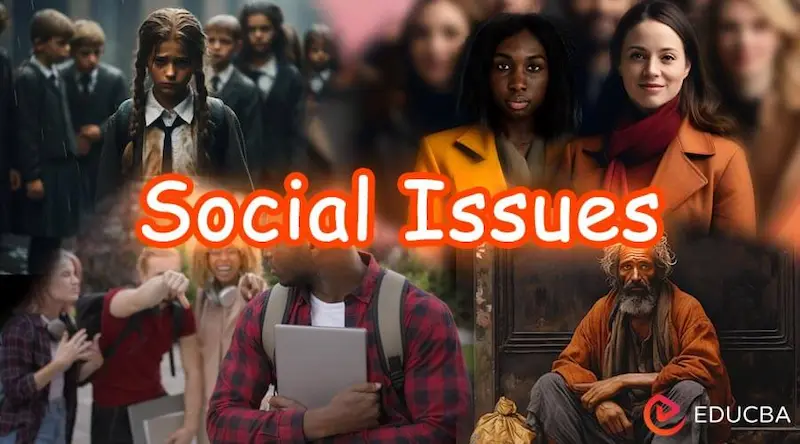
Social issues are problems that affect a large number of people in society. They are rooted in cultural, economic, political, and environmental factors. These issues often require collective efforts to solve because they impact entire communities, not just individuals.
Some common social issues include:
- Poverty and income inequality
- Unemployment
- Lack of quality education
- Limited access to healthcare
- Crime and violence
- Gender inequality
- Domestic violence
- Environmental pollution
- Racism and discrimination
- Mental health stigma
- Homelessness
- Substance abuse
Each of these contributes to the social issues community impact in different ways.
How Social Issues Affect Communities (Deep Breakdown)
Here’s a more detailed look at how these issues influence community life from different angles.
1. Economic Impact
Economic problems are often at the heart of many social issues.
How it affects communities:
- Unemployment leads to financial stress, family conflicts, and reduced quality of life.
- Poverty limits access to food, shelter, clothing, and healthcare.
- Communities experience lower economic growth because people have less money to spend.
- Small businesses struggle due to weak consumer purchasing power.
- Government support systems become overwhelmed, putting pressure on public funds.
Long-term effects:
- Increased dependency on aid programs
- Decline in infrastructure development
- Migration as people leave for better opportunities
- Higher crime rates due to poverty-driven desperation
Economic difficulties are one of the biggest contributors to the social issues community impact.
2. Educational Challenges

Education is the foundation of a community’s progress, and when it suffers, everything else suffers too.
Social issues in education include:
- High dropout rates
- Lack of funding for schools
- Outdated curriculum
- Teacher shortages
- Barriers for girls and marginalized communities
Community impact:
- Low literacy rates
- Fewer skilled workers
- Youth falling into crime due to lack of opportunities
- Reduced employment potential
- Weak social development and civic participation
Education directly determines the future of communities, making it a core factor in the social issues community impact.
3. Health-Related Social Issues
A healthy community is a productive community—but many social issues disrupt this.
Health-related social issues include:
- Inadequate healthcare access
- Malnutrition
- Mental health neglect
- Substance abuse
- High disease rates
Impact on communities:
- Increased healthcare costs
- Reduced workforce productivity
- Higher rates of disability
- Family stress and breakdown
- Lower life expectancy
A community’s health determines its overall strength.
4. Crime and Violence
Crime is both a social issue and a result of other social issues.
Types of crime affecting communities:
- Theft
- Drug trafficking
- Domestic violence
- Gang violence
- Cybercrime
Community impact:
- Reduced safety and freedom
- Increased fear and stress among residents
- Lower property values
- Decline in business activity
- Distrust between residents and law enforcement
You may also like to read this:
Economic Trends Inflation Changes Explained Clearly
Social Issues Current Debates – Key Topics Shaping Society
Top Social Issues Affecting Youth And How To Address Them
Modern Social Issues Explained: Key Challenges Today
Understanding Social Issues And Public Policy Simplified
5. Environmental Issues
Environmental problems can cause long-term damage to communities.
Common environmental social issues:
- Water pollution
- Air pollution
- Waste mismanagement
- Climate change
- Deforestation
Impact on communities:
- Poor health (respiratory issues, allergies, diseases)
- Unsafe drinking water
- Loss of biodiversity
- Natural disasters (floods, heatwaves)
- Reduced agricultural productivity
Environmental concerns form a major part of the social issues community impact, especially for rural and low-income areas.
6. Social Inequality and Discrimination
Discrimination divides communities and stops them from growing.
Forms of inequality:
- Gender discrimination
- Racism
- Ethnic or cultural discrimination
- Class inequality
- Religious discrimination
How it affects communities:
- Social tension and conflict
- Unequal access to jobs and education
- Mental health issues among marginalized groups
- Lack of unity and trust
- Lower social mobility
Equality is essential for community harmony.
7. Mental Health and Emotional Well-Being
Mental health is often ignored but is one of the most important social issues.
Mental health-related issues:
- Depression
- Anxiety
- Stress
- Suicide
- Addiction
Community impact:
- Reduced productivity
- Family conflicts
- Drug abuse
- Increase in violence
- Social withdrawal and isolation
Ignoring mental health deepens the social issues community impact.
Why Understanding Social Issues Community Impact Matters
Knowing how social issues affect communities helps in many ways:
- It guides policymakers in creating effective solutions.
- It helps NGOs and organizations prioritize funding.
- It encourages citizens to get involved in community welfare.
- It builds awareness for long-term change.
- It ensures sustainable growth and development.
Awareness is always the first step toward improvement.
How Communities Can Reduce the Impact of Social Issues
Here are detailed, practical ways communities can work together:
1. Launch Awareness Programs
Workshops, campaigns, and community meetings can help people understand the issues.
2. Improve Education Access
Scholarships, free tutoring, and digital learning can uplift young generations.
3. Strengthen Healthcare Centers
Local clinics, mobile health units, and mental health support groups are essential.
4. Encourage Youth Engagement
Youth clubs, sports, and volunteer programs build leadership and responsibility.
5. Support Local Businesses
Buying local and supporting small businesses boosts economic strength.
6. Promote Environmental Efforts
Tree planting, waste reduction, recycling drives, and clean-water initiatives help the planet and the community.
7. Strengthen Law Enforcement Trust
Police–community partnerships improve safety and reduce crime.
8. Deliver Skill Development Programs
Workshops in IT, carpentry, marketing, and entrepreneurship help people access better jobs.
9. Encourage Community Participation
When people get involved, real progress begins. Participation builds unity and confidence.
Final Words
Understanding the social issues community impact isn’t just about studying problems—it’s about recognizing how deeply these issues shape lives and realizing that solutions require collective effort.
When communities come together, support each other, and build awareness, they can transform challenges into opportunities for growth.
FAQs on Social Issues Community Impact
1. What does “social issues community impact” mean?
It refers to how various social problems—like poverty, crime, education gaps, and health challenges—affect the daily life, development, and well-being of a community. These issues influence economic growth, safety, health, and overall quality of life.
2. Why is it important to understand social issues in a community?
Because understanding these issues helps individuals and leaders create better solutions. When people know what challenges exist, they can work together to improve education, healthcare, safety, and economic opportunities.
3. What are the most common social issues affecting communities today?
Some of the biggest issues include poverty, unemployment, lack of quality education, crime, mental health struggles, environmental pollution, gender inequality, and limited healthcare access.
4. How do social issues affect a community’s economy?
Social issues like unemployment and poverty reduce consumer spending, weaken local businesses, increase government financial pressure, and slow down overall economic development.
5. How does poor education impact a community?
Poor education leads to low literacy, fewer job opportunities, higher crime rates, and limited economic growth. Education is key to breaking cycles of poverty and inequality.