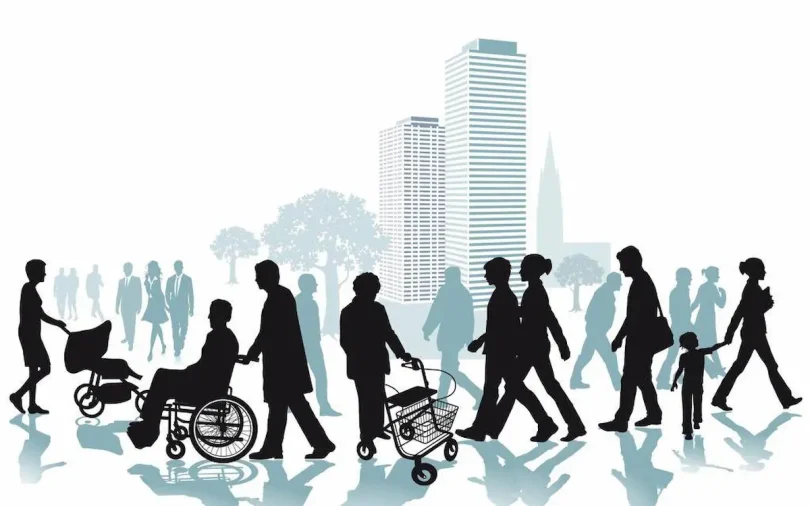

Understanding social issues and public policy is essential for anyone who wants to make sense of how society works, why certain problems exist, and what governments do to solve them. These two concepts are strongly connected—social issues highlight problems people face in their daily lives, while public policy represents the government’s response to those issues.
In this fully detailed guide, we’ll break everything down step by step so you can clearly understand how social challenges emerge, how decisions are made, and why good policies matter for building a fair and functioning society.
What Exactly Are Social Issues?

Social issues are widespread problems that affect many people at the community, national, or even global level. These issues don’t happen to just one person—they affect entire groups, making them matters of public concern.
Common Social Issues Include:
- Poverty and unemployment
- Lack of access to healthcare
- Gender inequality and discrimination
- Crime, drug abuse, and violence
- Homelessness and housing shortages
- Educational inequality
- Environmental pollution
- Mental health concerns
- Child labor and exploitation
- Corruption
These problems often develop because of:
- Weak economic systems
- Cultural or social norms
- Political instability
- Historical inequalities
- Rapid technological or environmental changes
And because these issues affect society collectively, the solutions must also be collective—this is where public policy steps in.
What Is Public Policy?
Public policy refers to the laws, programs, guidelines, and actions governments create to solve social issues. Think of public policy as a blueprint for how society should operate. It shapes everything from education and healthcare to safety and environmental protection.
Types of Public Policy
To understand how policies work, it helps to see them in categories:
1. Social Policies
These focus on human welfare and equality.
Examples:
- Free education
- Healthcare reforms
- Social security benefits
- Housing schemes
2. Economic Policies
These manage financial and business systems.
Examples:
- Tax regulations
- Minimum wage laws
- Trade policies
- Inflation control measures
3. Environmental Policies
These protect nature and natural resources.
Examples:
- Anti-pollution laws
- Climate change action plans
- Wildlife protection rules
4. Regulatory Policies
These set standards for behavior and business operations.
Examples:
- Traffic laws
- Food safety rules
- Labor laws
You may also like to read this:
Economic Trends Business Growth Explained | Full Breakdown
Economic Trends Inflation Changes Explained Clearly
Social Issues Current Debates – Key Topics Shaping Society
Top Social Issues Affecting Youth And How To Address Them
Modern Social Issues Explained: Key Challenges Today
How Social Issues and Public Policy Are Connected
The relationship between social issues and public policy is dynamic and continuous, and it works in two important ways:
1. Social Issues Drive Public Policies
Whenever a problem becomes too big to ignore, governments are pressured to act.
Examples:
- High crime rates → stronger policing laws
- Climate disasters → environmental protection policies
- Unemployment → job creation programs
- Rising healthcare costs → insurance reforms
Public pressure, media coverage, and expert advice all push governments toward crafting solutions.
2. Public Policy Shapes Social Outcomes
Good or bad policy can completely transform society.
Examples:
- Strong education policies reduce inequality.
- Weak environmental laws increase pollution.
- Effective anticorruption laws improve governance.
- Healthcare policies determine people’s quality of life.
This shows that policy decisions are not theoretical—they directly affect families, businesses, communities, and future generations.
Detailed Look at Major Social Issues and Policy Responses
Let’s break down some of the most important social issues and the public policies designed to address them.
1. Poverty and Inequality
Poverty affects access to food, shelter, health, and education. It is one of the major global challenges.
Policy Solutions:
- Social welfare programs
- Cash transfers and subsidies
- Skills and employment programs
- Affordable housing policies
- Progressive taxation
2. Education Inequality
Millions of people worldwide lack access to quality education due to income level, geography, or gender.
Policy Solutions:
- Free or subsidized schooling
- Teacher training programs
- Digital learning initiatives
- Scholarships for poor students
- Curriculum modernization
3. Healthcare Issues
Public health issues include pandemics, lack of hospitals, high medicine prices, and mental health challenges.
Policy Solutions:
- Health insurance systems
- Public hospitals and clinics
- Vaccination drives
- Mental health programs
- Emergency medical laws
4. Crime and Public Safety
Crime affects society’s stability and security.
Policy Solutions:
- Police reforms
- Community policing
- Drug rehabilitation programs
- Strong judicial systems
- Prison reform
5. Environmental and Climate Issues
Pollution, deforestation, and climate change threaten global sustainability.
Policy Solutions:
- Renewable energy incentives
- Recycling and waste management laws
- Emission control regulations
- Plastic bans
- Conservation programs
6. Gender Inequality
Women and marginalized groups often face discrimination.
Policy Solutions:
- Equal-pay laws
- Laws against harassment
- Maternity and paternity leave
- Women empowerment schemes
- Gender-inclusive education policies
How Public Policy Is Made: Step-by-Step
Understanding how policies are created can help you appreciate why the process takes time.
1. Identifying the Problem
Governments observe society, gather data, and listen to public feedback.
2. Analyzing the Issue
Experts study the causes, effects, and possible solutions.
3. Designing Policy Options
Different strategies are created.
4. Making Decisions
Leaders choose the best option.
5. Implementing the Policy
The government puts the policy into action.
6. Monitoring and Evaluation
Authorities track progress and make improvements if needed.
This cycle continues as new social issues emerge.
Why Citizen Participation Matters
Public involvement makes policy more effective. When people engage, governments understand real needs better.
How People Can Participate:
- Voting in elections
- Joining community meetings
- Signing petitions
- Participating in campaigns
- Giving feedback on government websites
- Volunteering
- Using social media to raise awareness
Good policies happen faster when citizens actively voice their concerns.
Challenges in Solving Social Issues Through Public Policy
Despite efforts, many challenges make policy-making difficult:
- Budget limitations
- Political disagreements
- Corruption
- Slow bureaucracy
- Lack of accurate data
- Cultural differences
- Rapid global changes
These obstacles explain why some social issues persist for decades.
Future of Social Issues and Public Policy
In the coming years, new challenges will require smarter policies:
Emerging Areas:
- Artificial intelligence and automation
- Cybersecurity and data privacy
- Aging populations
- Climate migration
- Urban overcrowding
- Digital education
- Mental health crisis
Governments must prepare for the future with adaptable, tech-driven, and inclusive policies.
Conclusion
To sum it up, social issues and public policy are deeply interconnected. Social issues reveal what needs to change, and public policy provides the roadmap for that change. When governments, communities, and individuals work together, society becomes more fair, safe, and sustainable.
Understanding this powerful relationship helps us become more informed citizens—and part of the solution.
FAQs
1. What are social issues?
Social issues are problems that affect many people in a society, such as poverty, unemployment, crime, pollution, and lack of education.
2. What is public policy?
Public policy is the set of laws, rules, and government actions created to solve social problems and improve public well-being.
3. How are social issues and public policy connected?
Social issues highlight what needs to be fixed, and public policies are the government’s solutions to those problems.
4. Why do some social issues continue even with policies?
Issues may persist due to poor implementation, limited funding, corruption, or slow administrative processes.
5. How do citizens influence public policy?
People influence policies by voting, raising awareness, giving feedback, participating in campaigns, and joining community discussions.