When we talk about social issues affecting youth, we are referring to the various challenges and pressures that young people face as they navigate adolescence and early adulthood. Today’s youth are growing up in a rapidly changing world filled with technology, social expectations, and global uncertainties. While this generation has access to more information and opportunities than ever before, they are also exposed to new kinds of challenges that can affect their mental, emotional, and social well-being.
Understanding these issues is essential if we want to support youth in becoming confident, resilient, and responsible adults.
1. Mental Health Challenges

Mental health concerns are one of the most significant social issues affecting youth today. Studies show that anxiety, depression, and stress are rising among young people worldwide. Academic pressure, social media comparisons, and family expectations are major contributors. For example, many students feel constant stress to excel in exams, sports, or extracurricular activities, often at the expense of their emotional well-being.
Impact: Untreated mental health issues can lead to poor academic performance, social withdrawal, low self-esteem, and even self-harm.
Solutions:
- Promote open conversations about mental health at home and in schools.
- Encourage youth to seek professional help, such as counseling or therapy.
- Teach stress management techniques like mindfulness, meditation, and hobbies that relax the mind.
2. Peer Pressure and Influence
Peer pressure remains a strong influence on youth behavior. Adolescents often feel the need to conform to friends’ expectations, which can impact their choices in academics, lifestyle, and social activities. Peer influence can be positive, like motivating someone to study or participate in sports, but it can also be negative, such as encouraging substance use, risky behavior, or bullying.
Impact: Youth may lose their sense of individuality, make unsafe decisions, or experience anxiety from trying to fit in.
Solutions:
- Encourage self-confidence and critical thinking.
- Provide mentorship programs that help youth make independent decisions.
- Promote environments where individuality is celebrated.
3. Substance Abuse
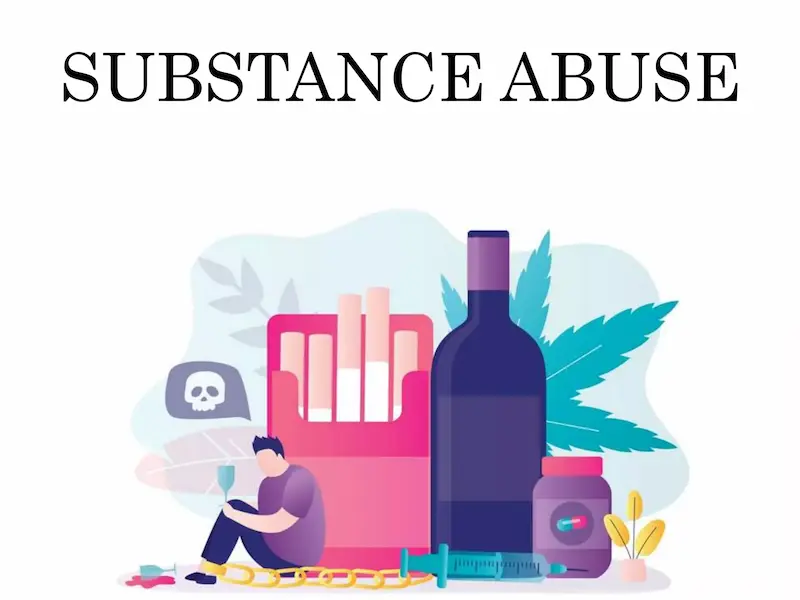
Substance abuse, including alcohol, drugs, and vaping, is another alarming social issue affecting youth. The accessibility of these substances, coupled with peer influence and curiosity, increases the risk of addiction. Often, youth turn to substances to cope with stress or social challenges, which can have long-term consequences on their health, relationships, and academic or career prospects.
Impact: Addiction, poor mental health, legal issues, and physical health problems.
Solutions:
- Early education on the dangers of substance abuse.
- Creating safe and supportive environments at home and schools.
- Offering counseling and rehabilitation support for affected youth.
4. Cyberbullying and Online Harassment
With social media becoming an integral part of youth life, cyberbullying has emerged as a serious social issue. Young people can experience harassment, threats, or humiliation online, which can affect their self-esteem, mental health, and social interactions. Social media also creates unrealistic comparisons, leading to feelings of inadequacy.
Impact: Anxiety, depression, social withdrawal, and in severe cases, self-harm.
Solutions:
- Teach digital literacy and responsible online behavior.
- Encourage reporting of cyberbullying incidents.
- Provide counseling and support for victims of online harassment.
5. Academic Pressure and Education System
The education system plays a vital role in shaping youth, but excessive academic pressure is a growing social issue. Many students feel forced to achieve top grades, attend coaching classes, and participate in extracurricular activities simultaneously. This intense pressure can lead to burnout, anxiety, and a lack of creativity or critical thinking skills.
Impact: Stress, reduced motivation, low self-confidence, and mental health issues.
Solutions:
- Encourage a balanced approach to academics and personal growth.
- Implement programs that nurture creativity, problem-solving, and emotional intelligence.
- Promote awareness among parents and educators about the importance of mental well-being.
You may also like to read this:
Economic Trends Affecting Markets | Complete 2025 Guide
Economic Trends Global Impact: Complete Guide For 2025
Economic Trends Business Growth Explained | Full Breakdown
Economic Trends Inflation Changes Explained Clearly
Social Issues Current Debates – Key Topics Shaping Society
6. Unemployment and Career Pressure
Economic challenges and high competition create stress related to career choices and job opportunities. Many youth are anxious about choosing the “right” career, meeting societal expectations, and achieving financial independence. Lack of proper guidance can lead to frustration, hopelessness, or making hasty decisions.
Impact: Anxiety, low self-esteem, delayed independence, and frustration.
Solutions:
- Offer career counseling and mentorship programs.
- Promote skill-building workshops and vocational training.
- Encourage exploration of diverse career paths beyond conventional options.
7. Family and Relationship Challenges
Family dynamics, parental expectations, and peer relationships have a strong impact on youth development. Conflicts at home, lack of communication, or exposure to unhealthy relationships can affect emotional stability and self-confidence. Romantic relationships, social acceptance, and friendships can also create pressure during adolescence.
Impact: Emotional distress, poor communication skills, and social isolation.
Solutions:
- Encourage open and empathetic communication between parents and youth.
- Teach conflict resolution, emotional intelligence, and healthy relationship skills.
- Provide community support and youth-focused programs that offer guidance.
8. Social Media and Technology Overuse
While technology offers immense opportunities for learning and connection, overuse can lead to addiction, social isolation, and negative mental health outcomes. Constant exposure to social media can create unrealistic comparisons, cyberbullying risks, and a decrease in physical activity.
Impact: Reduced attention span, anxiety, depression, and unhealthy body image.
Solutions:
- Educate youth about responsible technology use.
- Encourage offline hobbies, sports, and social interactions.
- Set limits on screen time and promote mindful engagement with digital platforms.
Conclusion
Addressing social issues affecting youth requires a collective effort from parents, teachers, policymakers, and the community. By understanding the pressures young people face, we can create supportive environments that foster mental, emotional, and social well-being. Providing guidance, education, and open communication helps youth develop resilience, confidence, and a sense of purpose.
The youth of today are the leaders, innovators, and change-makers of tomorrow. Addressing their challenges is not just a responsibility—it’s an investment in a healthier, stronger, and more compassionate society.
FAQs
Q1: What are the most critical social issues affecting youth today?
A: Mental health challenges, peer pressure, substance abuse, cyberbullying, academic pressure, unemployment, family issues, and social media overuse are among the top concerns.
Q2: How can schools help youth cope with social challenges?
A: Schools can provide counseling services, mentorship programs, awareness campaigns, and create a safe and inclusive environment for students.
Q3: What role can parents play in supporting youth?
A: Parents can maintain open communication, encourage self-expression, monitor online activity, and provide emotional guidance and support.
Q4: How can youth themselves tackle these social issues?
A: By practicing self-care, seeking help when needed, building positive friendships, setting personal goals, and making informed decisions.
Q5: Why is addressing youth social issues important for society?
A: Youth are the future of any society. Addressing their challenges ensures a generation that is healthy, productive, and capable of contributing positively to the world.