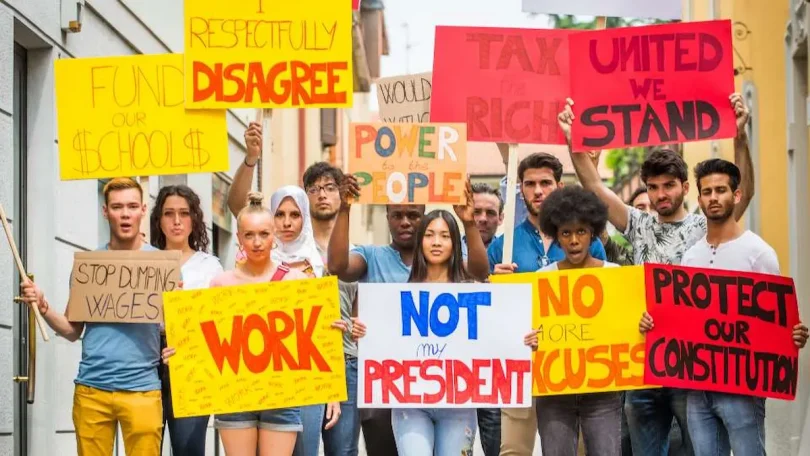

In our rapidly changing world, we are confronted with a variety of challenges that affect individuals, communities, and nations. When we talk about modern social issues explained, we are essentially examining the problems that influence our daily lives, shape public policy, and determine the future of society.
These issues are interconnected, meaning that one problem often impacts others. By understanding them in detail, we can take steps to address them effectively.
1. Mental Health Awareness
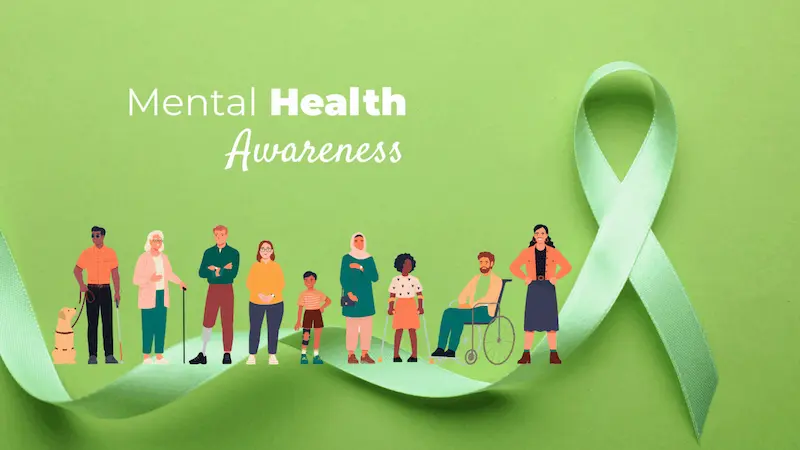
Mental health is one of the most pressing modern social issues. Anxiety, depression, and stress are becoming more prevalent, especially among young people. The reasons are complex: social media pressures, academic and career demands, economic instability, and global crises all play a role.
- Impact: Mental health problems affect productivity, relationships, and overall quality of life. Untreated mental health issues can lead to long-term consequences, including substance abuse and physical health complications.
- Solutions: Awareness campaigns, accessible counseling, and supportive communities are crucial. Encouraging open conversations about mental health can reduce stigma and help individuals seek help sooner.
2. Gender Equality
Despite decades of progress, gender inequality remains a significant concern. Women, non-binary individuals, and members of the LGBTQ+ community often face systemic discrimination.
- Issues Include: Wage gaps, limited career opportunities, workplace harassment, unequal representation in politics, and social norms that restrict personal freedom.
- Solutions: Promoting diversity in workplaces, implementing fair policies, and encouraging education for all genders can create a more inclusive society. Social movements and activism continue to play a vital role in challenging biases.
3. Climate Change and Environmental Challenges
The environment is at the center of many modern social issues. Climate change, pollution, deforestation, and biodiversity loss are no longer distant problems—they directly affect human health, food security, and economic stability.
- Impact: Rising sea levels, extreme weather events, and air pollution threaten lives, property, and economies. Vulnerable populations are hit hardest, particularly in developing nations.
- Solutions: Individual actions like reducing waste, using renewable energy, and supporting sustainable businesses can help. On a larger scale, government policies, international cooperation, and green innovations are essential to mitigate environmental damage.
4. Poverty and Economic Inequality
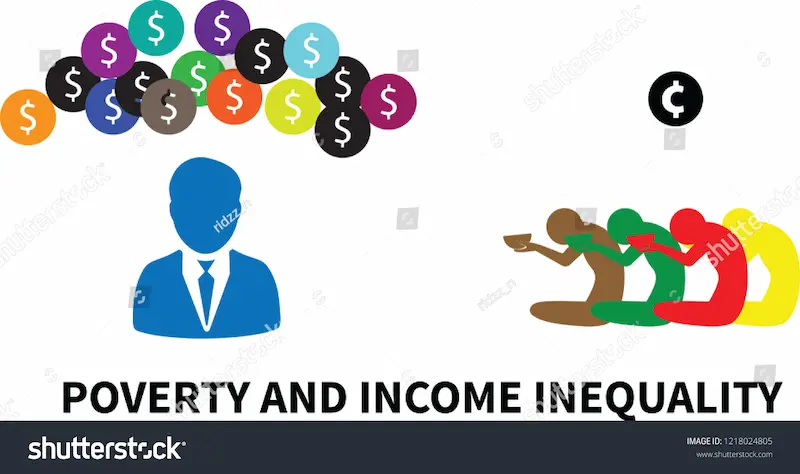
Economic disparities continue to widen globally. Wealth is concentrated in the hands of a few, while millions struggle to meet basic needs like food, housing, healthcare, and education.
- Impact: Poverty affects mental and physical health, reduces life expectancy, and limits opportunities for personal and professional growth.
- Solutions: Social programs, fair taxation, microfinance initiatives, and investment in education and healthcare are key to reducing inequality. Creating opportunities for economic mobility is critical to building a more equitable society.
5. Technology and Social Media Impacts
Technology has revolutionized how we live, work, and interact—but it comes with its own challenges.
- Issues Include: Cyberbullying, online harassment, misinformation, social media addiction, and privacy concerns.
- Impact: These issues can affect mental health, distort perceptions of reality, and even influence political processes. Additionally, the digital divide prevents many people from accessing the benefits of technology.
- Solutions: Digital literacy education, responsible social media use, and robust data protection laws can help mitigate these problems. Balancing online and offline life is also crucial for well-being.
6. Racism, Discrimination, and Social Inequality
Racism, casteism, xenophobia, and other forms of discrimination remain widespread. Social inequality perpetuates cycles of poverty, limits opportunities, and fosters social unrest.
- Impact: Systemic discrimination affects education, employment, healthcare access, and social mobility. It also contributes to mental health issues and community tensions.
- Solutions: Education on diversity and inclusion, legal reforms, advocacy, and open dialogue are essential. Social movements like Black Lives Matter have highlighted the importance of addressing systemic biases.
You may also like to read this:
Economic Trends Global Impact: Complete Guide For 2025
Economic Trends Business Growth Explained | Full Breakdown
Economic Trends Inflation Changes Explained Clearly
Social Issues Current Debates – Key Topics Shaping Society
Top Social Issues Affecting Youth And How To Address Them
7. Health Crises and Pandemic Challenges
The COVID-19 pandemic highlighted vulnerabilities in global healthcare systems. Access to vaccines, public health infrastructure, and misinformation about health remain key challenges.
- Impact: Health crises strain hospitals, disrupt economies, and affect mental health. Marginalized communities often face the harshest consequences.
- Solutions: Strengthening healthcare systems, investing in research and preventive care, and promoting accurate health information are essential steps. Public health policies must prioritize preparedness and equitable access.
8. Education Gaps
Education is fundamental to societal growth, yet disparities persist worldwide. Many children lack access to quality education due to poverty, geographic barriers, or social discrimination.
- Impact: Limited education reduces employment opportunities, perpetuates inequality, and hampers innovation.
- Solutions: Policies to promote universal education, investments in digital learning, and programs targeting marginalized communities can help bridge the gap. Education empowers individuals and strengthens society as a whole.
9. Political Polarization and Social Cohesion
Modern societies are experiencing increasing political polarization, fueled by media, social networks, and ideological differences.
- Impact: Divisions can lead to social unrest, reduced trust in institutions, and difficulty in reaching consensus on important issues.
- Solutions: Encouraging critical thinking, fostering respectful dialogue, and focusing on shared values can help rebuild social cohesion. Education and media literacy are key tools.
10. Migration and Refugee Crises
Conflicts, economic hardship, and climate change have forced millions to migrate or seek asylum. Migration is a complex social issue affecting host communities and migrants themselves.
- Impact: Migrants often face discrimination, poor living conditions, and limited access to education and healthcare. Host countries may face challenges in integrating newcomers.
- Solutions: International cooperation, humanitarian aid, and policies promoting social integration are necessary. Supporting migrants and fostering empathy within communities can reduce tensions.
Conclusion
Understanding modern social issues explained allows us to see the interconnected nature of the challenges we face today. From mental health and gender equality to climate change and technology impacts, these issues shape our daily lives and our collective future.
While the problems are complex, awareness, education, advocacy, and personal action can make a difference. By working together, we can create a more equitable, sustainable, and compassionate world.
FAQs on Modern Social Issues Explained
1. What are modern social issues?
Modern social issues are problems that affect individuals, communities, and societies today. These include mental health challenges, gender inequality, climate change, poverty, discrimination, and technology-related problems. They are often interconnected and impact daily life, policy, and societal development.
2. Why is mental health considered a major social issue?
Mental health affects a person’s emotional, psychological, and social well-being. Issues like anxiety, depression, and stress are increasing globally due to social pressures, work stress, and the influence of social media. Poor mental health can affect relationships, productivity, and overall quality of life.
3. How does gender inequality impact society?
Gender inequality limits opportunities for women, LGBTQ+ individuals, and marginalized genders. It affects wages, career growth, political representation, and personal freedoms. Addressing gender inequality leads to more inclusive, fair, and productive societies.
4. What is the connection between climate change and social issues?
Climate change affects resources, health, and livelihoods. Extreme weather events, pollution, and environmental degradation disproportionately impact vulnerable populations, linking environmental issues to poverty, health, and economic stability.
5. How does technology contribute to modern social issues?
While technology provides convenience, it also introduces problems such as cyberbullying, online harassment, misinformation, social media addiction, and privacy concerns. These can affect mental health, relationships, and social cohesion.