
When we discuss global affairs world relations, we are essentially exploring how countries interact with one another on political, economic, social, and environmental levels. These interactions are far-reaching—they influence trade, security, diplomacy, cultural exchange, and even the daily lives of people across the globe. Understanding the nuances of these relationships helps us make sense of world events, anticipate potential challenges, and grasp why nations make certain decisions.
In today’s interconnected world, global affairs aren’t just the concern of governments and international organizations—they impact businesses, education, technology, and even personal choices. Let’s dive into the details to understand what shapes world relations and why they matter.
Understanding Global Affairs and World Relations
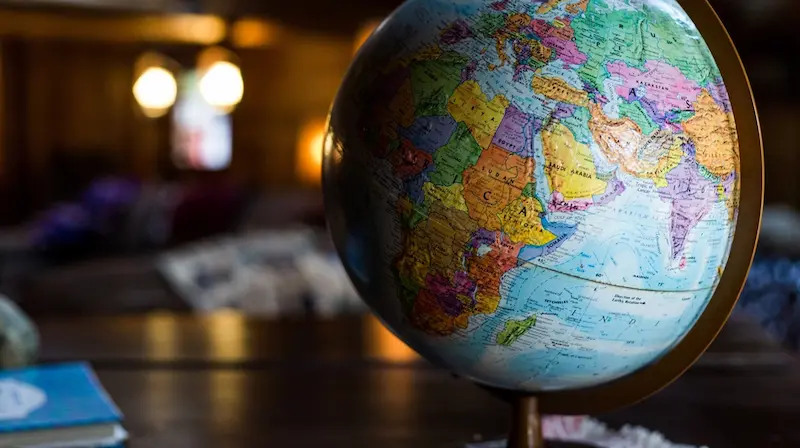
Global affairs encompass all issues that transcend national borders, including politics, economics, environmental challenges, human rights, and health crises. They reflect the shared problems and opportunities of the international community.
World relations focus on how countries engage with each other. This includes diplomacy, alliances, trade agreements, conflict resolution, and international cooperation. Essentially, while global affairs identify the challenges, world relations describe how nations respond to those challenges through interaction and negotiation.
Together, these concepts help us understand the forces that shape the global landscape, from peace treaties to trade wars.
Key Areas of Global Affairs World Relations
1. Diplomacy and International Politics
Diplomacy is the foundation of world relations. Through diplomatic efforts, nations negotiate solutions to conflicts, establish alliances, and create agreements that maintain global stability.
- Bilateral Relations: These involve two countries working together on specific issues like trade, security, or cultural exchange.
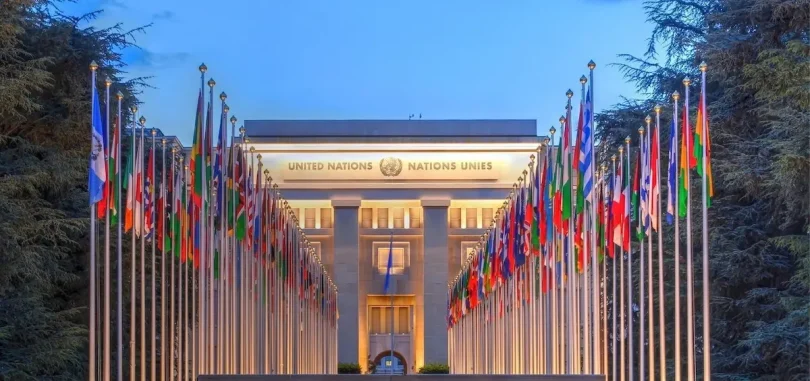
- Multilateral Diplomacy: Platforms like the United Nations (UN) allow multiple nations to collaborate on global challenges, including climate change, health crises, and peacekeeping operations.
- Conflict Resolution: Diplomats often work behind the scenes to prevent or mediate conflicts, using negotiation and compromise rather than military action.
Example: The UN Security Council plays a vital role in addressing conflicts around the world, from regional wars to sanctions against countries violating international law.
2. Economic Relations and Global Trade
Economic interdependence is a core aspect of world relations. Countries trade goods and services, invest in foreign markets, and participate in global financial systems.
- Trade Agreements: Bilateral and multilateral agreements, like the North American Free Trade Agreement (NAFTA) or the European Union’s single market, facilitate the smooth flow of goods and services.
- Economic Alliances: Regional organizations, such as ASEAN or the African Union, promote economic cooperation among neighboring nations.
- Global Markets: Fluctuations in one country’s economy can affect global markets, highlighting the importance of economic diplomacy.
Example: Trade tensions between major powers can lead to global price fluctuations in essential commodities like oil, metals, and agricultural products.
3. Security and Defense
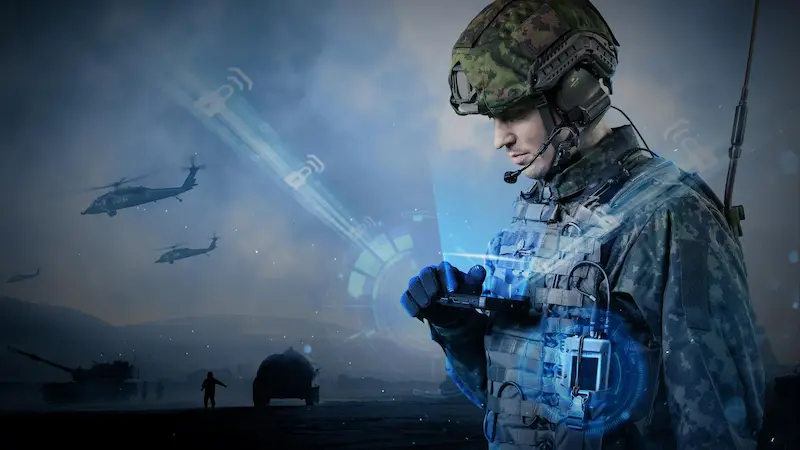
Global affairs are deeply tied to national and international security. Nations must balance protecting their citizens with maintaining peaceful relations.
- Military Alliances: NATO is a classic example of countries collaborating for mutual defense.
- Peacekeeping: International missions, often led by the UN, help maintain stability in conflict zones.
- Cybersecurity and Terrorism: Modern global relations also involve non-traditional threats, including cyberattacks and transnational terrorism.
Example: Collaborative efforts between countries to prevent cyberattacks on critical infrastructure are increasingly part of global security diplomacy.
4. Environmental and Climate Cooperation
Environmental issues have become central to global affairs because the planet’s health transcends borders.
- Climate Agreements: Treaties like the Paris Climate Accord encourage countries to reduce emissions and invest in sustainable development.
- Disaster Response: Nations often provide aid and resources to support countries facing natural disasters.
- Sustainable Development Goals (SDGs): International cooperation focuses on clean energy, water security, and preserving biodiversity.
Example: International summits like COP (Conference of Parties) bring world leaders together to address climate change collectively.
5. Cultural, Educational, and Social Exchange
Beyond politics and economics, world relations thrive on cultural understanding. Exchanges in education, arts, sports, and media help build mutual respect and soften political tensions.
- Educational Exchange Programs: Initiatives like Fulbright or Erasmus promote learning across borders.
- Cultural Diplomacy: Countries use art, film, and literature to project their cultural influence.
- Sports and Global Events: International competitions, including the Olympics, foster cooperation and goodwill.
Example: Cultural exchange programs often pave the way for stronger diplomatic and trade relations between countries.
You may also like to read this:
Top Global Affairs Latest Updates You Must Know
Global Affairs News Analysis: Key Insights & Trends
Current Global Affairs Topics Shaping Our World Today
Global Affairs Political Changes: Key Insights & Trends
Challenges Facing Global Affairs World Relations
Navigating global affairs is complex. Some of the most pressing challenges include:
- Geopolitical Tensions: Rivalries between major powers can disrupt trade, security, and international cooperation.
- Economic Disparities: Unequal access to resources can create friction in global trade negotiations.
- Conflict and Wars: Regional disputes can escalate and affect global stability.
- Global Health Threats: Pandemics and health crises demand collaboration, yet political tensions may slow responses.
- Environmental Risks: Climate change and natural disasters require unprecedented international cooperation.
These challenges demonstrate that while global affairs involve opportunities for collaboration, they also require careful diplomacy and strategic thinking.
Why Understanding Global Affairs Matters
You might ask, “Why should I care about global affairs world relations?” The truth is, global events impact our lives in tangible ways:
- Economics: Trade decisions influence the cost of goods and services.
- Security: International conflicts can affect travel, safety, and defense policies.
- Environment: Climate agreements shape local policies and sustainability initiatives.
- Education and Culture: International cooperation expands opportunities for learning and cultural exposure.
Being informed allows you to make better decisions, engage in meaningful conversations, and understand the broader forces shaping our world.
FAQs About Global Affairs World Relations
Q1: How do countries maintain good relations with each other?
A1: Through diplomacy, trade agreements, cultural exchanges, and collaborative solutions to global problems.
Q2: What role do international organizations play?
A2: Organizations like the UN, NATO, and WTO facilitate cooperation, mediate disputes, and set global standards.
Q3: Can global affairs impact my daily life?
A3: Yes, global trade, energy prices, international conflicts, and pandemics all have direct effects on your lifestyle.
Q4: Why are environmental issues part of global affairs?
A4: Because environmental challenges like climate change affect all nations, requiring international collaboration for effective solutions.
Conclusion
Understanding global affairs world relations is crucial in today’s interconnected world. Nations no longer operate in isolation—every diplomatic decision, trade agreement, and environmental initiative has global implications. By staying informed, you not only gain insight into global trends but also understand how these decisions impact your economy, security, and daily life.
Engaging with global affairs empowers you to think critically, participate in informed discussions, and appreciate the intricate web of world relations shaping our future.