
In today’s interconnected world, global affairs political changes are more than just news headlines—they shape economies, security, and even daily life across continents. Whether it’s a change in leadership, policy reform, or international alliances, political shifts have ripple effects that touch everything from trade to climate action.
In this article, we’ll break down the main drivers, examples, impacts, and why it matters to you, all in a way that’s easy to understand.
What Are Global Affairs Political Changes?
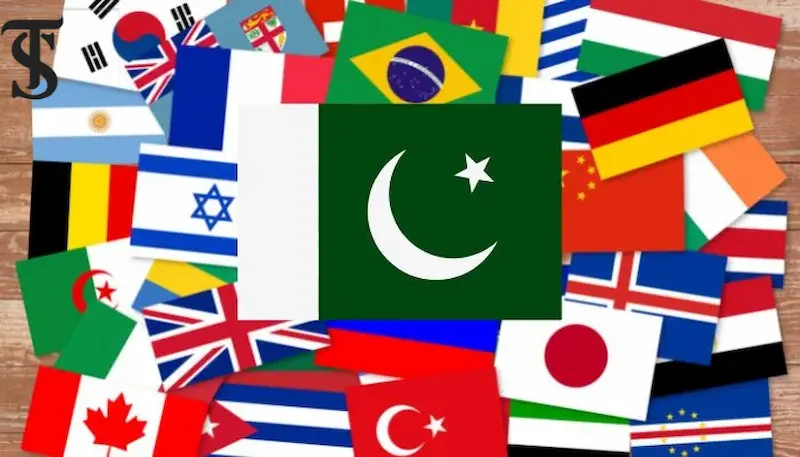
When we talk about political changes in global affairs, we’re referring to significant transformations in governance, leadership, policy, or international relations that influence multiple nations. These changes can be:
- Sudden: Like coups, revolutions, or unexpected election outcomes.
- Gradual: Long-term shifts in political ideologies, party dominance, or foreign policy priorities.
Such changes are crucial because they don’t just affect one country—they impact global trade, migration, security, and diplomacy. Understanding these shifts gives you insight into the forces shaping our modern world.
Key Drivers of Political Changes Globally
Several factors contribute to political changes across nations. Here’s a detailed look:
1. Leadership Changes and Elections
One of the most obvious triggers of political change is the rise of new leaders. A new president or prime minister can significantly alter domestic and international policies.
- Example: When the U.S. administration changes, policies on climate agreements, trade tariffs, and foreign military involvement often shift, affecting global markets.
- Example: Elections in European countries sometimes influence EU-wide policies, like economic strategies or migration laws.
2. Social Movements and Public Pressure
Citizens have more power than ever to influence political decisions. Protests, petitions, and activism can reshape policies:
- Example: Pro-democracy movements in Hong Kong and Myanmar drew international attention and caused diplomatic pressures.
- Example: Environmental movements worldwide are influencing governments to adopt stricter climate policies.
3. Economic Conditions

Economic instability often leads to political shifts. Rising inflation, unemployment, or debt crises can force governments to change policies or even result in regime change.
- Example: The 2008 global financial crisis led to policy reforms worldwide and changes in leadership in some countries.
- Example: Countries experiencing recession may see elections swing toward parties promising economic recovery.
4. International Conflicts and Diplomacy
Wars, territorial disputes, and geopolitical tensions directly influence political landscapes. Nations may change alliances, adopt new foreign policies, or strengthen military strategies.
- Example: The Russia-Ukraine conflict has reshaped NATO strategies and energy policies across Europe.
- Example: Middle Eastern peace agreements have historically altered diplomatic ties and regional stability.
5. Technological and Environmental Factors
Rapid technological advancements and climate change are influencing political decisions more than ever:
- Governments are forced to adopt cybersecurity policies and regulate digital economies.
- Climate crises are pushing nations toward renewable energy and sustainable policies.
You may also like to read this:
Top Global Affairs Latest Updates You Must Know
Global Affairs News Analysis: Key Insights & Trends
Current Global Affairs Topics Shaping Our World Today
Global Affairs World Relations: Key Insights For Today
Recent Examples of Global Political Changes
To better understand the impact, let’s look at some real-world examples:
- United States: Policy shifts between administrations can influence trade, climate commitments, and international treaties.
- United Kingdom: Brexit fundamentally changed trade, immigration, and diplomatic relations in Europe.
- Middle East: Leadership changes in countries like Israel, Saudi Arabia, and Iran have far-reaching implications for regional security.
- Asia-Pacific: China and India’s rising influence is reshaping global trade, technology, and military strategies.
- Africa: Democratic elections and anti-corruption movements in countries like Nigeria and Kenya are driving regional political stability.
Impacts of Political Changes on Global Affairs
Understanding these changes isn’t just for political enthusiasts—they affect everyone. Here’s how:
1. Economic Impacts
Political stability—or the lack of it—can influence stock markets, currency value, and international investments. Businesses need to monitor these changes closely.
2. Security and Safety
Wars, peace treaties, and shifting alliances directly affect global security. Political instability can increase risks of conflict and terrorism.
3. Climate and Environmental Policies
Global efforts to combat climate change often rely on political will. Changes in leadership can accelerate or delay environmental reforms.
4. Travel and Immigration
Political changes influence visa regulations, travel safety advisories, and migration policies, affecting individuals and businesses alike.
How to Stay Updated on Global Political Changes
Being aware of global political shifts is key. Here’s how to stay informed:
- Follow Reliable News Sources: Global news networks like BBC, Reuters, and Al Jazeera offer credible updates.
- Use Reports from International Organizations: UN, IMF, World Bank, and similar organizations provide comprehensive analyses.
- Engage with Political Analysis: Webinars, podcasts, and articles from experts help you understand deeper implications.
- Monitor Social Movements: Following global activism can give insights into future political shifts.
Conclusion
Global affairs political changes shape the way our world operates—from trade and security to climate and technology. By understanding these shifts, you gain perspective on international events and their impact on your life. Staying informed empowers you to make better decisions, whether it’s for business, travel, or simply understanding the global landscape.
The world is constantly evolving, and political changes are at the heart of that evolution. Keeping an eye on global affairs ensures that you’re not just a spectator but an informed participant in shaping tomorrow.
FAQs
1. What are global affairs political changes?
Global affairs political changes refer to significant shifts in governance, leadership, policies, or international relations that affect multiple countries. These can be sudden, like coups, or gradual, like changes in political ideologies.
2. Why are political changes in one country important globally?
Because the world is interconnected, changes in one country can impact trade, security, international diplomacy, and even climate policies in other nations.
3. What drives political changes worldwide?
Key drivers include elections and leadership changes, social movements, economic conditions, international conflicts, technological advancements, and environmental challenges.
4. Can political changes affect the global economy?
Yes. Political instability or policy shifts can influence stock markets, foreign investment, trade agreements, and the overall global economic climate.
5. How do international conflicts lead to political changes?
Wars, territorial disputes, and diplomatic tensions often force countries to alter alliances, military strategies, or leadership priorities, leading to broader political shifts.