When you hear the term global affairs international reports, you might imagine long documents filled with complex charts, heavy political language, and endless data. But honestly, these reports are one of the best tools you can use to understand what’s shaping our world today. From political decisions to economic shifts, from climate issues to conflicts — everything is tied together, and these reports help you see that bigger picture in a clear, structured way.
So let’s break it all down together, step by step, in a way that feels like an easy conversation.
What Exactly Are Global Affairs International Reports?
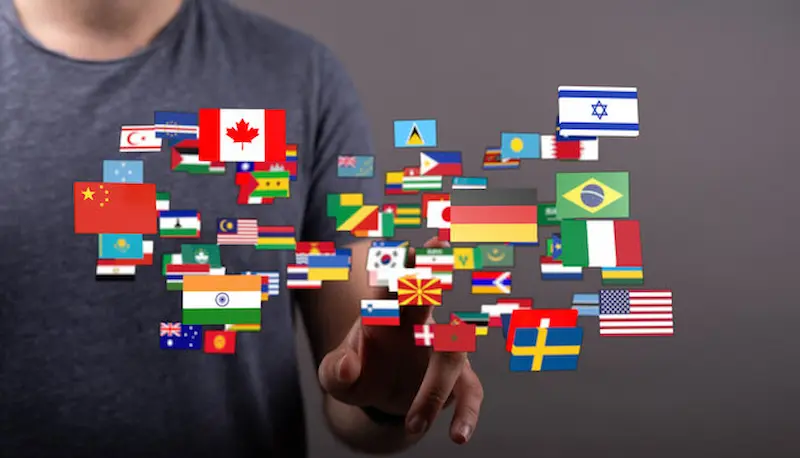
These reports are structured documents created by global institutions to analyze and explain what’s happening around the world.
They include:
- Political updates
- Economic shifts
- Climate-related findings
- Humanitarian concerns
- Technology trends
- Diplomacy and international relations
- Security and conflict developments
But here’s what truly makes global affairs international reports valuable:
They don’t just tell you what happened — they explain why it happened, how it affects different countries, and what might happen next.
They’re like the world’s progress reports.
Why Do Global Affairs International Reports Matter So Much?
You and I live in a time where events happening thousands of miles away can affect us instantly. A decision made by a government today can influence fuel prices, trade, job markets, travel, security, and even technology adoption.
Here’s why these reports are crucial:
1. They Help You Understand Global Shifts
Instead of relying on short news updates, you get a full analysis from experts.
2. They Provide Verified, Organized Information
No rumors. No biased opinions. Just researched, fact-based content.
3. They Are Essential for Decision-Making
Students use them for research. Businesses use them for strategy. Governments use them for planning.
4. They Make Complex World Events Understandable
Great reports explain international events in a structured way — from context to impact.
5. They Help You Stay Ahead
Whether economically, academically, or socially, being informed gives you an advantage.
Key Areas That Global Affairs International Reports Cover in Detail
Let’s take a deeper look at the major themes these reports focus on:
1. International Politics & Diplomacy
This is the heart of global affairs. Reports cover:
- Elections in major countries
- Shifts in political power
- New foreign policies
- Sanctions and agreements
- Diplomatic relations
- Peace talks
Why it matters:
Political decisions shape everything from trade to security. These reports show how each decision impacts the global stage.
2. Global Economic Trends
Economies are interconnected. A recession in one country affects markets worldwide.
Reports include:
- Inflation trends
- Global trade analysis
- Market performance
- GDP comparisons
- Currency fluctuations
- Investment flows
- Impact of wars or sanctions on markets
Why it matters:
Economics influence jobs, business opportunities, prices, imports, exports — everything.
3. International Security & Conflict Analysis
Security-focused reports cover:
- Ongoing wars
- Terrorism risks
- Cybersecurity threats
- Military alliances
- Strategic defense policies
- Nuclear agreements
- Peacekeeping operations
Why it matters:
Conflicts can reshape borders, fuel migrations, disrupt trade, and change political relations.
4. Climate Change & Global Environmental Reports
This area has become incredibly important.
Reports include:
- Global temperature rise
- Emission levels
- Climate agreements
- Biodiversity loss
- Extreme weather analysis
- Environmental policies
Why it matters:
Climate change affects agriculture, water resources, health, livelihoods, and international stability.
5. Human Rights & Social Developments
These reports highlight:
- Refugee flows
- Minority rights
- Freedom of speech issues
- Education access
- Gender equality
- Poverty trends
- Humanitarian crises
Why it matters:
These issues shape international relations and influence global foreign policies.
6. Technology, AI, and Digital Governance
One of the fastest-growing areas today.
Reports include:
- AI regulations
- Cyber laws
- Digital privacy
- Global tech partnerships
- Robotics growth
- Space technology
- Tech-driven geopolitical risks
Why it matters:
Technology is now a driver of power, innovation, security, and global cooperation.
Who Actually Uses Global Affairs International Reports?
You might be thinking: Are these only for experts?
Not at all!
A huge range of people rely on these reports:
- Students – for research, assignments, and theses
- Researchers – for academic and policy insights
- Businesses – to plan investments and expansion
- Journalists – to support fact-based reporting
- Government officials – for building policies
- NGOs – to guide their missions
- Educators – for teaching global issues
- Curious readers – who want to stay informed
Basically, anyone who wants to understand global changes benefits from these reports.
Most Trusted Sources for Global Affairs International Reports
There are several organizations that publish high-quality, highly credible global affairs international reports. Some of the most recognized ones include:
- United Nations (UN)
- World Bank
- International Monetary Fund (IMF)
- World Economic Forum (WEF)
- NATO
- Council on Foreign Relations (CFR)
- Chatham House
- RAND Corporation
- Human Rights Watch
- Amnesty International
- National Intelligence Councils
- Global Climate Organizations (IPCC, UNEP)
These institutions employ researchers, economists, diplomats, and analysts to provide accurate and updated global insights.
You may also like to read this:
Top Global Affairs Latest Updates You Must Know
Global Affairs News Analysis: Key Insights & Trends
Current Global Affairs Topics Shaping Our World Today
Global Affairs Political Changes: Key Insights & Trends
Global Affairs World Relations: Key Insights For Today
How to Read and Understand Global Affairs International Reports Effectively
These reports can be long and detailed, but here’s how to make the process easy:
1. Start With the Executive Summary
This gives you the entire report in 1–2 pages.
2. Focus on Key Findings
These highlight the most important insights.
3. Break It Into Sections
Read it slowly — politics, economy, climate, etc.
4. Compare Different Reports
This helps you understand different viewpoints.
5. Connect the Report With Real-World Events
This builds context and improves understanding.
6. Take Notes While Reading
You’ll remember more and understand better.
How Global Affairs International Reports Influence the World
These reports aren’t just information — they shape decisions.
Here’s how:
1. Governments create new policies
Many foreign and domestic policies are based on international reports.
2. Companies adjust global strategies
Businesses watch economic and political reports to reduce risks.
3. Media uses them for accurate reporting
Journalists rely on them for factual information.
4. Educators and students use them as academic sources
They are widely used in universities across the world.
5. International cooperation becomes more effective
Countries use these reports to negotiate trade, climate deals, and treaties.
FAQs About Global Affairs International Reports
1. What do global affairs international reports include?
They include political, economic, environmental, and social developments across the world.
2. Who creates these reports?
They are produced by global institutions, governments, and think tanks.
3. Can I access these reports for free?
Yes — many global institutions publish them publicly.
4. Are these reports credible?
Yes, they are written by experts, using verified data.
5. How often are these reports published?
Some are annual, others quarterly or monthly depending on the institution.
Conclusion
They help you think smarter, make better decisions, and understand the international landscape with clarity and confidence. Whether you’re a student, a professional, or just a curious individual, using global affairs international reports will always keep you one step ahead.
Staying informed through global affairs international reports is no longer optional — it’s essential. These reports give you a powerful understanding of how the world works, why major events happen, and what global trends you need to watch.