
If you’ve been wondering why groceries seem pricier, fuel costs keep shifting, or your monthly budget feels tighter, you’re already experiencing economic trends inflation changes firsthand. And honestly, understanding inflation is one of the most empowering things you can learn — it helps you make smarter decisions with your money, your job, and even your investments.
So let’s dive in together, step by step, in the simplest way possible.
What Inflation Really Is — Explained Like a Friend Would
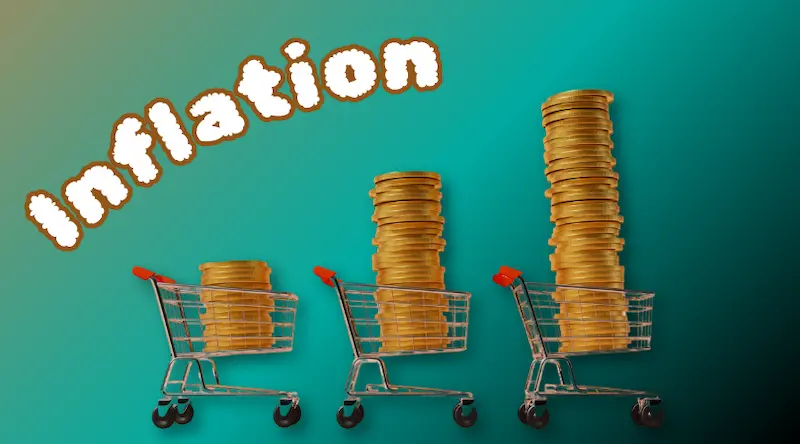
Inflation is the gradual increase in prices over time. When prices go up but your income stays the same, the money you have doesn’t stretch as far as before. That’s why inflation matters so much — it silently reshapes your lifestyle without you realizing it.
But here’s the important part:
Inflation isn’t always negative. A small, steady level of inflation is actually a sign of healthy economic growth. The real problem comes when inflation moves too fast or becomes unpredictable — that’s when economic trends inflation changes affect everything from businesses to families to government decisions.
Why Inflation Happens: The REAL Behind-the-Scenes Reasons
Inflation doesn’t rise for one single reason — it’s usually a mix of different forces. Let’s break them down in a conversational, simple way.
1. Demand-Pull Inflation: Too Much Buying Power
Imagine a sale where everyone rushes to buy the same thing. What happens?
The price goes up because demand is high.
This is demand-pull inflation — when people are spending more money than usual, often because:
- incomes rise
- jobs increase
- economic confidence grows
- holidays or peak seasons happen
Businesses can’t keep up with the rising demand, so prices naturally climb.
2. Cost-Push Inflation: Rising Costs for Companies
Sometimes companies are forced to raise prices because producing goods becomes more expensive. This happens when:
- fuel prices rise
- raw materials become costly
- imported goods get expensive due to currency changes
- wages increase
Businesses raise product prices so they don’t suffer losses.
This is one of the strongest drivers of economic trends inflation changes worldwide.
3. Supply Chain Disruptions: When Products Can’t Reach You
During global events (like pandemics or wars), shipping slows down or factories shut temporarily. This causes shortages — and shortages always lead to price hikes.
Examples include:
- medicine shortages
- increased shipping container costs
- delayed electronics supply
- global chip shortages
Even one delay in the supply chain can ripple across multiple industries.
4. Monetary Policies: Government and Central Bank Decisions
Inflation is deeply connected to how much money is circulating in the economy.
When central banks:
- print more money
- lower interest rates
- buy government bonds
…people borrow and spend more. This increases demand and raises prices.
On the flip side, they can raise interest rates to slow inflation.
5. Global Situations That Affect Inflation Everywhere
No country is isolated. Events like:
- wars
- oil supply cuts
- changes in global trade agreements
- natural disasters
- international sanctions
…can instantly shift economic trends inflation changes in multiple countries at once.
For example, if oil-producing nations reduce supply, every country that relies on imported oil experiences inflation.
How Inflation Changes Affect Your Daily Life
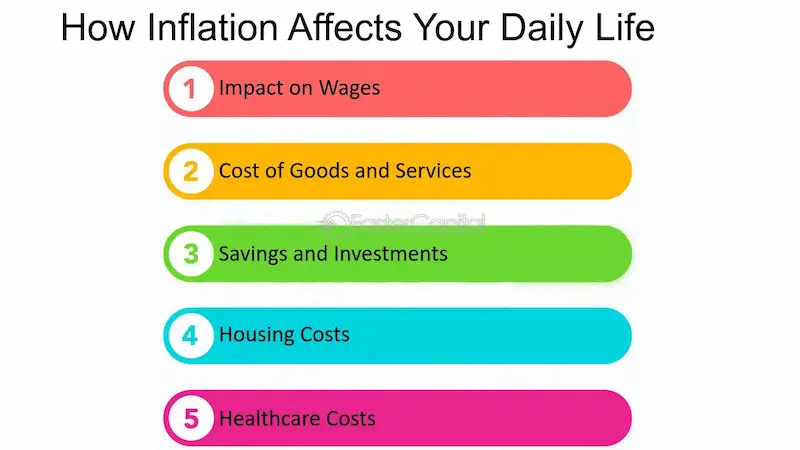
Inflation might sound like an abstract concept, but its effects are ultra-real.
You feel them every day — sometimes without realizing it.
Let me show you exactly where it hits.
1. Higher Cost of Living
- Grocery bills rise
- Utility prices increase
- Transport and fuel costs go up
- Rent becomes more expensive
Suddenly the same salary doesn’t cover the same lifestyle.
2. Savings Lose Value
If your savings aren’t earning interest higher than the inflation rate, your money is losing purchasing power over time.
Example:
If inflation is 10% and your savings return 6%, you’re effectively losing 4% value each year.
3. Interest Rates Increase
To control inflation, governments often raise interest rates.
This makes:
- loans costlier
- car installments higher
- home financing more expensive
- credit card interest grow
It also slows down spending — which eventually reduces inflation.
4. Job Market Changes
Businesses respond to inflation by:
- cutting costs
- delaying hiring
- reducing staff
- increasing salaries selectively
- raising product prices
Some industries benefit, while others struggle.
5. Investment Markets React Instantly
Inflation influences:
- stock market trends
- real estate prices
- gold prices
- currency value
- commodity markets
Investors closely watch inflation data before making decisions.
How to Protect Yourself During Inflation Changes
Here’s where you take control — and yes, you absolutely can.
1. Budget Smarter
Track your expenses and cut down on non-essential spending.
Awareness alone can help you save more.
2. Build an Emergency Fund
Aim for 3–6 months of expenses.
Inflation periods often bring unexpected financial stress.
3. Look for Inflation-Resistant Investments
Popular options include:
- gold
- real estate
- index funds
- inflation-linked bonds
- stocks in essential industries (food, energy, healthcare)
4. Increase Your Income
You can explore:
- freelancing
- upgrading skills
- side businesses
- remote jobs
- professional certifications
Higher income gives you stronger protection against inflation.
5. Shop Smarter
- Compare prices
- Buy in bulk
- Look for discounts
- Use price-tracking apps
- Choose local alternatives
Small choices save big money in inflation periods.
You may also like to read this:
Economic Trends 2026 Forecast: Global Outlook Guide
Latest Economic Trends Update 2025: Global Insights
Economic Trends Affecting Markets | Complete 2025 Guide
Economic Trends Global Impact: Complete Guide For 2025
Economic Trends Business Growth Explained | Full Breakdown
Future Outlook: Where Inflation Trends Are Heading
Economists predict that economic trends inflation changes will continue fluctuating based on:
- global oil prices
- central bank policies
- geopolitical stability
- technological progress
- climate-related events
- supply chain modernization
While inflation is expected to stabilize in many regions, sudden spikes are always possible due to global disruptions.
Staying informed is the smartest way to stay prepared.
Conclusion
Understanding economic trends inflation changes gives you a huge advantage in managing your money, planning your future, and making confident financial decisions. Inflation isn’t just an economic term — it’s something that shapes your daily life.
And now that you know what causes it, how it affects you, and how to deal with it, you’re already ahead of the curve.
FAQs About Economic Trends Inflation Changes
Q1: What causes inflation to change frequently?
A1: Inflation changes due to supply and demand shifts, government policies, energy costs, global events, and monetary policy decisions by central banks.
Q2: Is all inflation bad?
A2: No. Moderate inflation is normal and healthy for economic growth. Problems arise when inflation is too high (hyperinflation) or too low (deflation).
Q3: How can I protect my savings from inflation?
A3: Consider investing in assets that historically maintain value, like real estate, stocks, or Treasury Inflation-Protected Securities (TIPS).
Q4: How does inflation affect my daily expenses?
A4: Inflation increases prices for everyday goods and services, which can reduce your purchasing power if your income doesn’t keep pace.
Q5: How do central banks respond to inflation changes?
A5: Central banks may raise or lower interest rates, adjust reserve requirements, or use other monetary tools to control inflation and stabilize the economy.