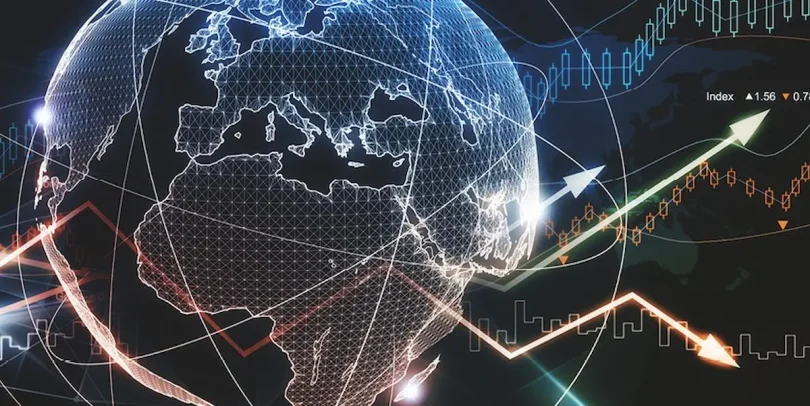

Understanding economic trends global impact is becoming more important every year. Why? Because the world today is more connected than ever before. A financial decision in one country can influence prices, jobs, trade, interest rates, and even government policies in countries thousands of miles away.
So let’s explore this topic in a simple, conversational way — as if we’re just sitting together and breaking it all down step by step.
What Does “Economic Trends Global Impact” Really Mean?
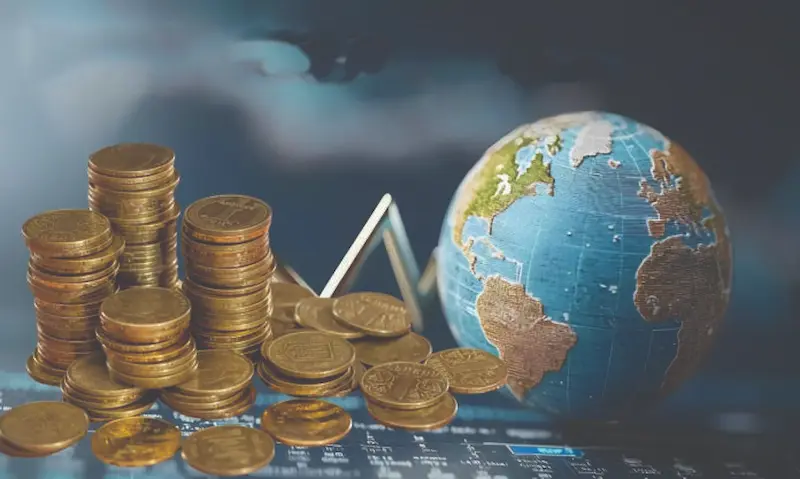
Think of the global economy like a giant ecosystem. Each country is a part of that system, and when one part changes — even slightly — the ripple effects spread outward.
For example:
If the price of oil rises in the Middle East, transportation costs increase worldwide, affecting shipping, flights, food prices, and even electricity bills.
That’s the global impact — one event, many outcomes.
Why the World Is So Connected Today
Before diving into specific economic trends, it’s helpful to understand why global impact happens so strongly today compared to decades ago.
Here are the key reasons:
1. International Trade
Countries rely on each other for products, raw materials, and energy.
No nation produces everything it needs anymore.
2. Global Supply Chains
A smartphone isn’t made in one place — its parts come from different countries, assembled in another, then shipped worldwide.
3. Digital Finance & Markets
Stock markets communicate instantly. One major drop in Hong Kong can influence Wall Street within minutes.
4. Technology
Digital innovations connect economies, businesses, and consumers across borders.
5. Foreign Investments
Countries invest in each other’s companies, real estate, government bonds, etc.
Together, these factors create a world where economic trends travel fast — and impact everyone.
Key Economic Trends and Their Global Impact (Explained in Detail)
Now, let’s break down the biggest trends shaping our world and explore how each one affects global stability, business decisions, and individual lives.
1. Global Inflation and Cost Pressures
Inflation is when prices of goods and services rise.
But it no longer remains a local problem — inflation today spreads across borders.
Why inflation spreads globally:
- Countries import expensive goods from others
- High energy prices push up worldwide manufacturing costs
- Multinational companies adjust their global pricing
- Weak currencies make imports more costly
Global impact of inflation:
- Consumers spend less, slowing economic growth
- Companies cut costs or reduce workforce
- Governments raise interest rates
- Stock markets turn volatile
Example:
When fuel prices rise globally, everything from groceries to transportation becomes more expensive.
2. Supply Chain Shocks and Delays
Global supply chains suffered a major reset after the pandemic — and they still affect economies today.
What causes supply chain problems?
- Port congestion
- Shortage of shipping containers
- Labor shortages
- Political tensions
- Natural disasters
Global impact:
- Shortage of everyday products
- Delays in manufacturing
- Higher prices due to scarcity
- Countries rethinking dependence on foreign suppliers
Imagine if factories in China slow down — companies in Europe, Africa, and America immediately feel production delays.
3. Interest Rate Changes in Major Economies
Central banks influence the world more than most people realize.
When the US Federal Reserve or European Central Bank raises interest rates:
- Borrowing becomes expensive everywhere
- Investors move money to “safer” markets
- Currencies in developing countries weaken
Global impact:
- International trade slows
- Stock markets lose confidence
- Businesses delay expansion
- Loans, mortgages, and credit become costly
One decision from a major central bank can create global economic waves.
4. Technology-Driven Economic Shifts
Technology is one of the strongest forces shaping economic trends today.
Key innovations influencing the economy:
- Artificial intelligence
- Automation
- Digital payments
- Cryptocurrency
- Online retail
- Cloud computing
Global impact:
- Jobs evolve or disappear
- Countries compete in digital innovation
- Businesses adopt new tools to cut costs
- Consumers expect faster and smarter services
Tech is not just changing industries — it’s rewriting global economic structures.
You may also like to read this:
Global Affairs World Relations: Key Insights For Today
Global Affairs International Reports | 2025 World Guide
Economic Trends 2026 Forecast: Global Outlook Guide
Latest Economic Trends Update 2025: Global Insights
Economic Trends Affecting Markets | Complete 2025 Guide
5. Geopolitical Tensions and Global Uncertainty
Political conflicts are no longer regional problems — they disrupt global systems.
Examples of geopolitical triggers:
- Border conflicts
- Trade wars
- Sanctions
- Energy disputes
- Political instability
Global impact:
- Oil and gas prices skyrocket
- Stock markets crash
- Supply chains break
- Currencies weaken
- Trade gets restricted
Even a single announcement of sanctions can affect global economic confidence.
6. Shifting Consumer Behavior
People everywhere are changing how they shop, spend, and interact with brands.
Global consumer trends:
- Preference for affordable alternatives
- Growth in online shopping
- Higher demand for fast delivery
- Increased focus on health and sustainability
- Digital-first lifestyle
Global impact:
- Companies adjust international pricing
- Brands expand into new markets
- Traditional retailers close or reduce operations
- Logistics companies grow rapidly
Companies that don’t adapt to modern consumer habits fall behind quickly.
7. Climate Change and Environmental Economics
Climate isn’t just an environmental issue — it’s an economic one.
How climate affects economies:
- Damage to crops
- Disrupted supply chains
- Increased insurance costs
- Pressure on energy industries
- Shifts toward renewable resources
Global impact:
- Food prices rise worldwide
- Natural disasters increase financial losses
- Governments invest more in renewable energy
- Climate policies affect industries globally
Countries can no longer ignore climate-related economic risks.
How These Trends Affect Everyday People
You might be wondering, “All this is great, but what does it mean for me?”
Here’s how you feel the global impact in daily life:
- Changes in grocery prices
- Cost of fuel and electricity
- Difficulty finding certain products
- Job market stability
- Interest rates on loans and credit
- Travel costs
- Exchange rates
- Investment performance
Whether you’re a student, worker, business owner, or investor — global trends shape your daily financial decisions.
Why You Should Keep an Eye on Global Economic Trends
Being aware of global economic patterns can help you:
- Make better financial choices
- Protect yourself from economic shocks
- Improve your investment strategies
- Understand job market changes
- Start or grow a business intelligently
- Predict price changes before they happen
Knowledge becomes a shield and a strategy.
Conclusion
The economic trends global impact is powerful, interconnected, and constantly evolving. What happens in one country doesn’t stay there — it travels across borders, shaping markets, industries, and daily financial realities for people worldwide.
Understanding these trends allows you to navigate economic changes with confidence, make wiser decisions, and stay prepared for global shifts that affect everything from inflation to job opportunities.
FAQs on Economic Trends Global Impact
1. What does “economic trends global impact” mean?
It refers to how financial changes in one part of the world affect economies everywhere else. For example, if oil prices rise in one region, transportation and product costs increase globally.
2. Why are global economic trends important to understand?
Because they directly influence daily life. Inflation, fuel prices, job availability, loan rates, and even grocery costs are connected to global economic movements. Knowing the trends helps you make smarter financial decisions.
3. How do supply chain disruptions affect the global economy?
When ports close, factories slow down, or shipping gets delayed, countries around the world experience product shortages, price increases, and slowed manufacturing. A small disruption in one country can affect hundreds of industries worldwide.
4. How do interest rate changes in major economies impact the world?
When powerful central banks like the US Federal Reserve change interest rates, global borrowing costs shift. Currencies weaken or strengthen, investment flows move across borders, and stock markets react immediately.
5. What role does technology play in global economic trends?
Technology shapes how businesses operate, how consumers shop, and how industries grow. Innovations like AI, digital payments, automation, and e-commerce push countries and companies to adapt or fall behind.