When we talk about deep insights social change, we are exploring the profound shifts in society that affect the way people live, think, and interact. Social change is more than headlines or trending topics; it’s about understanding the patterns, forces, and consequences that drive human behavior and community evolution. By gaining deep insights into social change, you can better understand trends, anticipate challenges, and even contribute meaningfully to creating a better society.
Social change can take many forms—some obvious, some subtle—but all have significant impacts on our daily lives, from how we work and communicate to how we think about issues like equality, environment, and justice.
What is Social Change?
Social change refers to the transformation of society over time, including shifts in culture, social behaviors, norms, and institutions. It’s the ongoing process by which societies adapt to internal developments and external pressures. These changes can be small and incremental or large and revolutionary.
Key points about social change:
- It’s dynamic: Societies are always evolving.
- It’s multifaceted: Involves cultural, economic, political, and technological dimensions.
- It can be planned or unplanned: Some changes are driven by policy, while others emerge naturally through social trends.
Examples of Social Change
- Legal reforms: Changes in laws, like the legalization of same-sex marriage, reflect and reinforce societal shifts.
- Technological shifts: Smartphones and social media transformed communication, activism, and information sharing.
- Cultural movements: The rise of movements like #MeToo or climate activism represents deep cultural and social evolution.
Why Deep Insights Social Change Matters
Understanding social change at a deep level is essential for several reasons:
- Predicting trends: Recognizing patterns helps individuals and organizations anticipate shifts in society.
- Informing policy: Policymakers can develop solutions that address societal needs and reduce inequalities.
- Guiding businesses: Companies that understand changing social dynamics can innovate products, marketing, and strategies to meet evolving consumer expectations.
- Empowering communities: Deep insights allow communities to adapt, resist harmful trends, and promote positive development.
For example, businesses that noticed the rise in environmental consciousness early were able to introduce sustainable products and services ahead of competitors. Similarly, governments that recognize demographic or behavioral shifts can proactively improve healthcare, education, and public services.
Drivers of Social Change
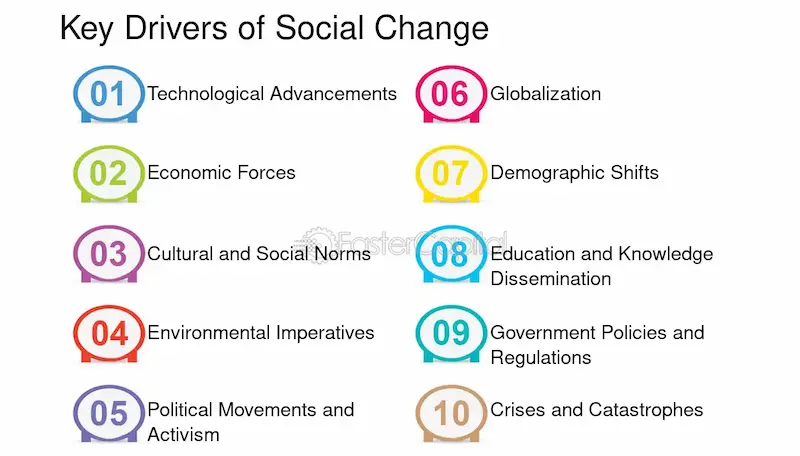
Several factors contribute to social change. Understanding these drivers provides deep insights into how societies evolve:
1. Technological Innovation
Technology has been one of the most powerful drivers of social change. From the invention of the printing press to the rise of artificial intelligence, technology reshapes the way we communicate, work, and live. Social media platforms, for instance, have created new spaces for activism and social engagement.
2. Education and Knowledge
Education broadens perspectives, empowers individuals, and drives societal transformation. Literate and educated populations are more likely to advocate for equality, innovation, and reform.
3. Economic Factors
Economic growth, recessions, and changes in employment structures influence social behaviors. For example, economic crises often lead to social movements demanding justice or policy change.
4. Political Change
Governments and political movements play a crucial role in shaping society. Policies on healthcare, taxation, and human rights can dramatically alter social structures.
5. Cultural and Social Movements
Cultural trends, values, and movements, whether global or local, can shift public opinion and social norms. For instance, global campaigns for gender equality and LGBTQ+ rights have gradually changed societal attitudes and policies.
Types of Social Change
Understanding different forms of social change helps us analyze society more effectively:
1. Structural Change
Changes in the organization and functioning of society’s institutions—like government, healthcare, and education—are structural changes. For example, the introduction of universal healthcare in some countries represents a structural shift impacting millions of lives.
2. Cultural Change
Cultural change refers to shifts in shared beliefs, values, and practices. Movements advocating inclusivity, sustainability, or ethical consumerism illustrate cultural transformations.
3. Technological Change
Technological change often catalyzes other forms of change. Consider the internet’s impact on global communication, commerce, and social activism.
4. Behavioral Change
Behavioral changes occur when groups or societies adopt new habits or practices. For instance, the rise in vegetarianism, remote work, or digital banking represents behavioral social change.
You may also like to read this:
Complete Guide To Social Issues Community Impact
Latest Social Issues Trends Shaping The World In 2025
Deep Insights News Breakdown: Understand Headlines Better
Deep Insights Economy Report – Clear View of The Economy
Deep Insights Political Analysis: Understand Modern Politics
How to Analyze Social Change
To gain deep insights into social change, consider the following approaches:
- Study History
Analyzing past social movements, revolutions, and reforms provides a framework for understanding contemporary changes. - Use Data and Research
Data-driven insights, including surveys, case studies, and demographic analysis, help identify patterns and predict trends. - Observe Culture
Monitor shifts in popular culture, media, and public opinion. These often reflect emerging societal values and priorities. - Engage Communities
Listening to grassroots voices provides a ground-level view of social dynamics, challenges, and opportunities.
Challenges in Social Change
Social change is not always straightforward or easy:
- Resistance to change: Established institutions or cultural norms can resist transformation.
- Inequality: Changes may benefit some groups while leaving others behind.
- Unintended consequences: Rapid changes, especially technological or economic, can create new social problems, such as the digital divide.
How You Can Contribute
Even small individual actions can influence broader social change:
- Educate yourself and others about critical social issues.
- Support equitable policies and inclusive initiatives.
- Volunteer and engage in community projects.
- Promote awareness responsibly through social media and personal networks.
Remember, social change is both collective and personal. Every informed choice, action, or voice matters.
Examples of Social Change in Action
- Civil Rights Movements: Transforming legal systems, societal norms, and public opinion.
- Environmental Movements: Leading to sustainability policies, green businesses, and eco-conscious communities.
- Digital Activism: Amplifying voices and organizing movements in ways that were impossible before social media.
- Health Campaigns: From vaccination drives to mental health awareness, influencing behaviors and policies worldwide.
FAQs About Deep Insights Social Change
Q1: Can social change happen without technology?
A: Yes. While technology accelerates change, movements driven by culture, education, or policy can also transform societies.
Q2: How long does social change take?
A: It varies. Some shifts are gradual over decades, while others, like technological adoption, can occur rapidly.
Q3: Why is it important to study social change?
A: Understanding social change allows individuals, organizations, and governments to make informed decisions, anticipate trends, and address emerging societal challenges.
Q4: Can one person make a difference in social change?
A: Absolutely. Historical figures like Martin Luther King Jr. and Greta Thunberg demonstrate that individual actions, when amplified, can create monumental societal shifts.
Conclusion
Gaining deep insights social change helps us navigate a world that is constantly evolving. By studying history, observing cultural trends, analyzing data, and engaging with communities, we can understand the forces shaping society.
Social change is both an opportunity and a responsibility—each of us has a role in shaping a more inclusive, just, and adaptive world.